What Is Willamette Valley Famous For?
Willamette Valley is famous for world-class Pinot Noir, six distinct AVAs, and wine country an hour from Portland. Here is what defines Oregon's flagship wine region.
What Is Willamette Valley Famous For?
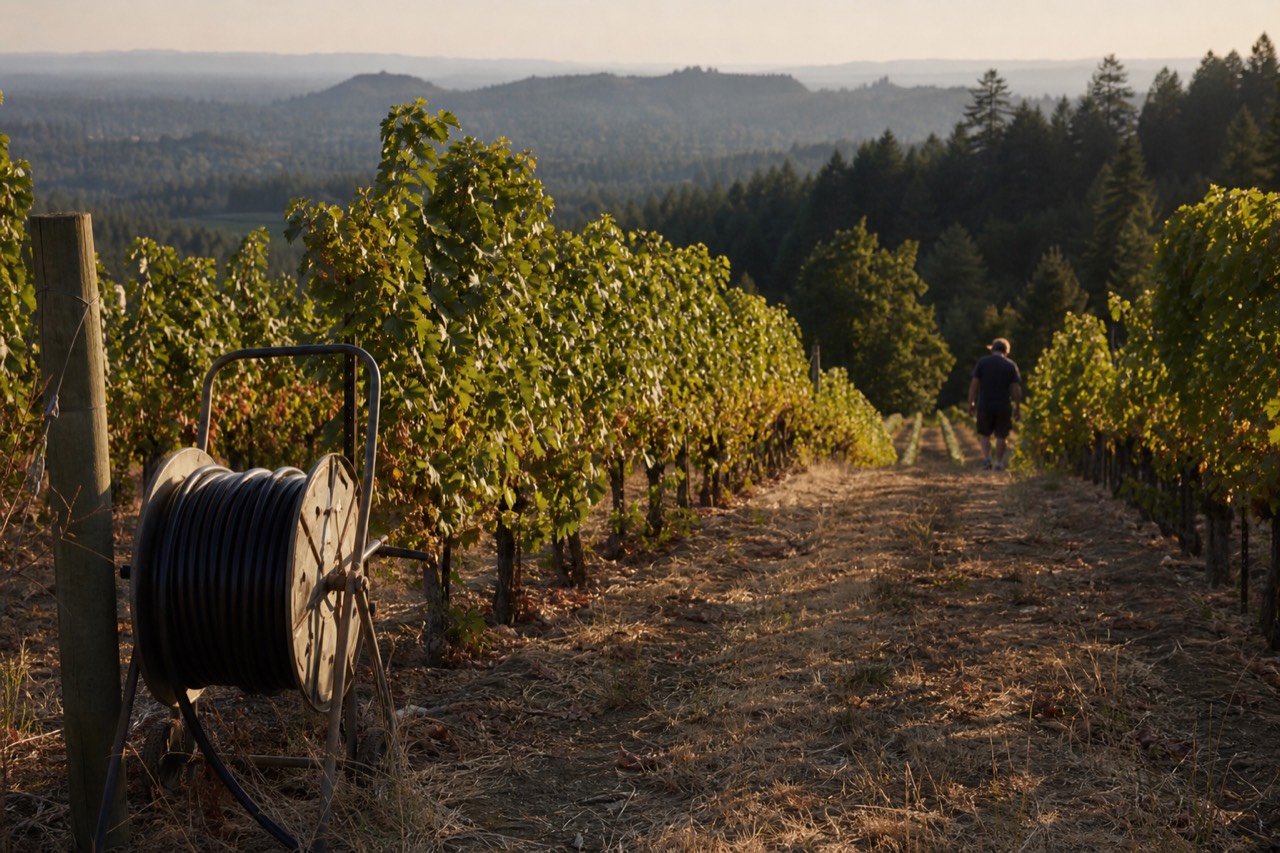
The Willamette Valley is famous for three things above all else: Pinot Noir of international standing, a compact wine country of six federally recognized AVAs, and a location roughly an hour south of Portland that makes it one of the easiest premium wine regions in the United States to visit on a day trip. Pinot Noir is the signature grape, and critics around the world treat the valley's bottlings as genuine rivals to Burgundy. Around that grape has grown a full wine-tourism economy: tasting rooms dotted across the Dundee Hills, small towns like McMinnville and Newberg that have become destinations in their own right, and a touring culture built around driving between farmstead wineries. The valley also carries a broader identity as the agricultural heart of western Oregon, but wine is what put it on the map.
The fame is relatively recent by wine-region standards. A handful of pioneering growers bet that Oregon's cool, wet climate could mirror the conditions of Burgundy, and that bet paid off slowly and then spectacularly as Oregon Pinot Noir began winning blind tastings against French entries. The valley's reputation has compounded ever since, and today the region is treated as one of the world's reference points for the grape, alongside Burgundy and New Zealand's Central Otago.
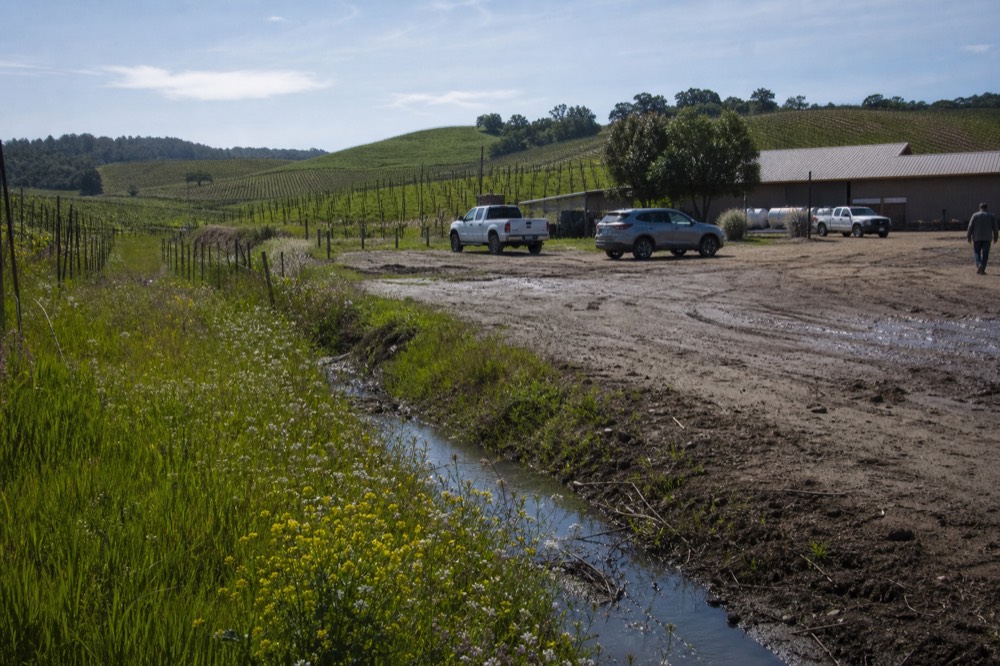
What surprises many first-time visitors is how small and personal the whole place feels. This is not a landscape of vast estates and corporate visitor centers. Most wineries here are family-run, many pour in modest barns or farmhouse tasting rooms, and the person behind the counter is often the owner or winemaker. That intimacy, combined with serious critical acclaim, is a large part of what people mean when they call the valley special. If you want the technical breakdown of the region's growing areas, the Willamette Valley AVAs guide covers each appellation in detail.
For most visitors the simplest way to experience all of this is a guided day trip, and three tours on this site frame the valley well.
Why Is Willamette Valley Pinot Noir So Famous?
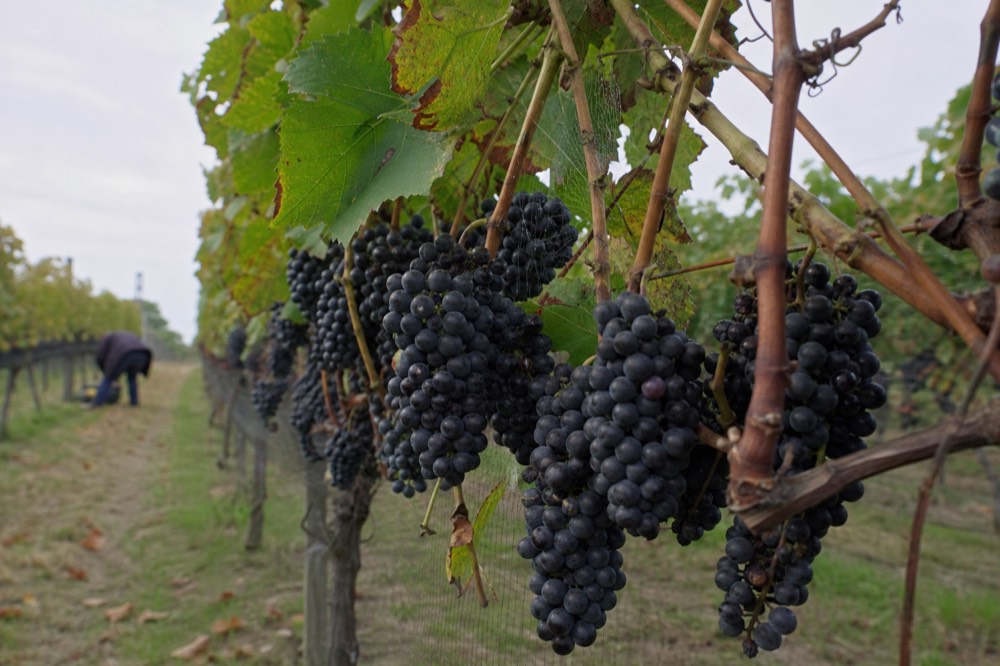
Willamette Valley Pinot Noir is famous because the region's cool climate, long growing season and volcanic Jory soils produce a style of the grape that critics consistently rank among the world's best. The wines show bright red-fruit aromatics, high acidity, moderate alcohol relative to warmer regions, and an earthy complexity that invites comparison to Burgundy. Pinot Noir is famously fussy about where it grows, and this valley happens to hit the grape's sweet spot. That geographic luck, plus decades of winemaking skill, is the core of the fame.
The grape thrives here for reasons that are easy to see on the ground. The Coast Range to the west buffers the worst of the Pacific rain while still letting cool air funnel through. Summer days are long and warm, nights are cold, and harvest stretches late into the fall. Grapes ripen slowly, which concentrates flavor while preserving the acidity that makes Pinot Noir lively in the glass. The result is a wine that tastes like the place it came from, which is exactly what the grape's admirers look for.
Pinot Noir is not the whole story, though it dominates the conversation. Chardonnay has become the valley's second act, with producers making lean, mineral-driven versions that again invite Burgundian comparisons. Pinot Gris is the workhorse white, crisp and food-friendly, and traditional-method sparkling wine is the quiet triumph: several producers make bottle-fermented sparklers from Pinot Noir and Chardonnay that sell for a fraction of Champagne's price. A typical tasting flight here moves through all of these.
| What the valley is known for | The short version | Where to taste it |
|---|---|---|
| Pinot Noir | The signature grape; bright red fruit, high acidity, earthy depth | Nearly everywhere; Dundee Hills is the classic heartland |
| Chardonnay | The fast-rising second act, lean and mineral | Producers across Dundee Hills and Eola-Amity Hills |
| Sparkling wine | Traditional-method bottles at well below Champagne prices | A growing set of producers valley-wide |
| The tasting-room culture | Small, family-run, often winemaker-poured rooms | Newberg, McMinnville and the back roads between |
One practical note that shapes every visit: Oregon law requires tasting rooms to check ID whenever there is reasonable doubt a guest is 21, and the state's own administrative rule defines that doubt as anyone who appears under 26, so bring ID even if you are well past your twenties. The rule is OAR 845-006-0335, grounded in ORS 471.130, and it applies at every licensed winery in the valley.
If tasting your way through that lineup with someone else doing the driving sounds appealing, a guided tour handles the logistics.
What Are The Six AVAs Of The Willamette Valley?
The Willamette Valley contains six nested AVAs: Dundee Hills, Ribbon Ridge, Yamhill-Carlton, Chehalem Mountains, Eola-Amity Hills and McMinnville. Each is a federally recognized American Viticultural Area with its own boundaries, soils and microclimate, which is why the valley often feels like several wine regions in one. Dundee Hills is the most famous, home to many pioneering wineries and the red-soil hillsides visitors picture when they imagine Oregon wine country.
The AVA system matters here because the differences between the sub-regions are real, not marketing. Ribbon Ridge is a small, warm pocket inside the Chehalem Mountains that ripens grapes early. Yamhill-Carlton sits on sedimentary soils that produce broader, richer Pinots. Eola-Amity Hills, closer to Salem, is cooler and windier, giving tighter, more acidic wines. McMinnville, near the town of the same name, benefits from a distinct rain shadow. The Dundee Hills wineries guide covers the flagship sub-region in depth.
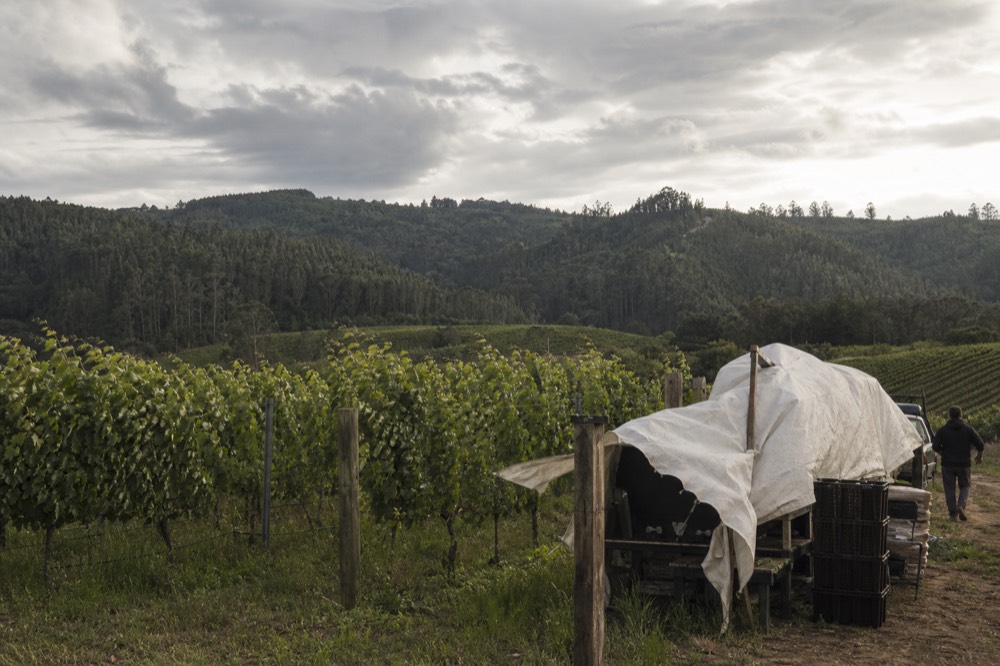
For a visitor, the practical takeaway is simple: you can taste meaningfully different styles of the same grape within a short drive of your hotel. That density of distinct terroir in a small area is unusual, even by wine-region standards, and it is a genuine part of what the valley is known for among serious wine travelers. The Willamette Valley Wineries Association recommends allowing at least 90 minutes per tasting, which means two or three wineries is a realistic, unhurried day.
How Close Is Willamette Valley To Portland?
The Willamette Valley's core wine country sits roughly an hour's drive south of Portland, making it one of the easiest wine regions in the country to reach from a major city. Most tours from Portland run as day trips of six to eight hours, so visitors can taste at several wineries and still be back in the city in time for dinner. That proximity is a core part of the region's fame: very few world-class Pinot Noir regions are this accessible from a major city with an international airport. Most guided tours pick up at downtown Portland hotels or meeting points in the morning, drive south into the Dundee Hills and McMinnville area, and loop back by early evening.
The drive itself is part of the experience. The route out of Portland crosses the Tualatin Valley farmland before rising into the wine hills, and the transition from city to countryside takes under an hour. This is why so many visitors pair a Portland stay with a wine-country day trip rather than booking a separate hotel, though staying in the valley has its own advantages for anyone who wants to wake up among the vines.
There is also a legal dimension to that hour of driving that most visitors never hear about. Oregon's open-container law, ORS 811.170, prohibits open alcohol in the passenger area of a vehicle, but it explicitly exempts passengers in a vehicle operated by a common carrier used primarily to carry passengers for hire. In plain terms, a chartered wine-tour van can lawfully carry your opened bottle between stops, while a private car of friends touring on their own cannot. That statute is the real legal basis for the advice to hire a tour rather than self-drive, and it is why the Willamette Valley Wineries Association itself tells groups to designate a driver or hire a tour company.
The most-reviewed way to do exactly that is a full-day tour from A Great Oregon Wine Tour, which runs 7.5 hours with door-to-door Portland pickup, a winery picnic lunch included, and tasting fees extra. It is rated 4.9 across roughly 530 reviews, the most-reviewed tour on this site, and the operator notes it often sells out.
What Else Is The Willamette Valley Known For?
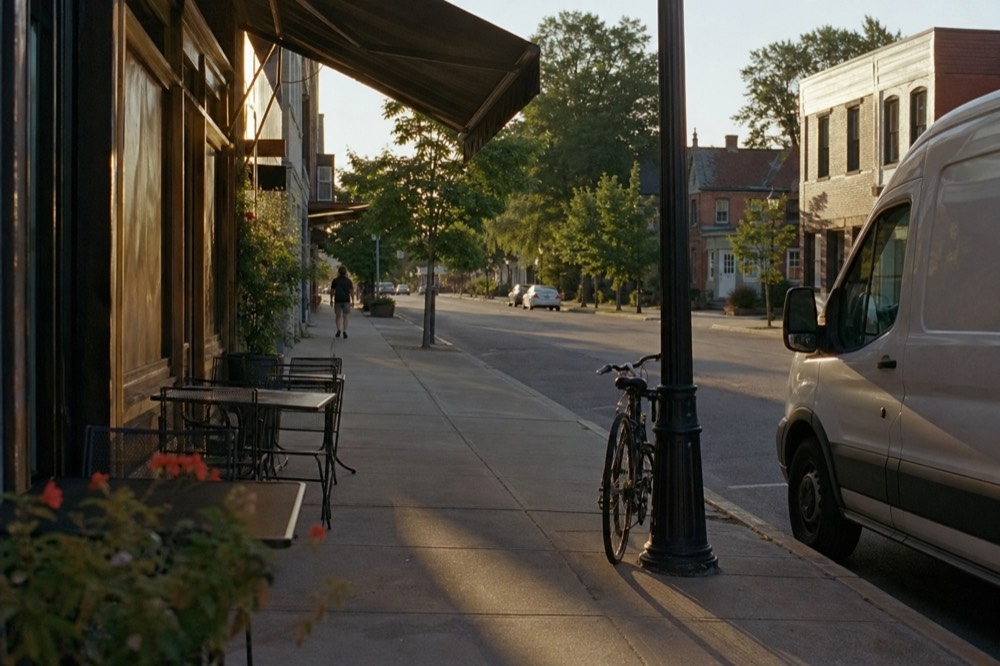
Beyond wine, the Willamette Valley is known for its rich agricultural abundance, its charming small wine-country towns like McMinnville and Newberg, its celebrated farm-to-table food scene, and its role as the demographic and economic heart of western Oregon, where fertile soils and a mild climate support everything from hazelnuts to berries alongside world-class vineyards. The same cool climate and rich soils that grow world-class Pinot Noir also grow hazelnuts, berries, Christmas trees and hops, and the valley produces the bulk of Oregon's agricultural output. McMinnville in particular has become a genuine food town, with restaurants that draw diners from Portland, and it anchors the valley's wine-tourism identity.
The destination-identity picture, in short: the valley is a working farm landscape that happens to contain one of the world's great Pinot Noir regions, and the two identities feed each other. Tasting rooms pour local cheese, restaurants build menus around valley produce, and the whole region markets itself on authenticity rather than luxury gloss. Visitors who arrive expecting Napa-style opulence are sometimes surprised; visitors who arrive expecting good wine, honest food and quiet back roads are delighted.
One detail worth knowing before you plan stops: reservation norms at valley wineries are genuinely mixed. The Willamette Valley Wineries Association says many wineries offer walk-in tastings, but more have shifted toward appointment-only or reservation-recommended visits in recent years, and its own advice is to check each winery before you go. A guided tour sidesteps the problem entirely, since operators hold the reservations for you. Our post on whether you need reservations covers the policy landscape.
For travelers who want the valley's flexibility rather than a fixed itinerary, a private option like the works4wine tour, rated 5.0 across 132 reviews, runs six to seven hours with flexible pickup anywhere in the valley or at hotels, with tasting fees extra and often waived with a bottle purchase.
How Should First-Time Visitors Experience The Valley?
First-time visitors should base themselves in Portland or in McMinnville and Newberg, pick one sub-region per day, and allow at least 90 minutes per winery. To keep the trip safe and relaxed, either hire a chartered tour or commit to a designated driver. The valley's wineries are spread across back roads, and the tasting experience rewards unhurried pacing. Trying to cover all six AVAs in one day is the classic first-timer mistake. Two or three well-chosen wineries in the Dundee Hills or around McMinnville make for a far better day than a rushed circuit of five.
Timing matters too. Harvest season in early fall brings golden vineyards and the year's energy peak, while late spring and summer offer long days and reliable weather. The trade-offs by season, including crowd levels and tasting-room hours, are worth weighing before you pick a date. Whenever you go, book popular tasting rooms ahead and check each winery's policy, since the appointment question above still applies.
Grouping the valley's tours this way lets you compare departure areas, price ranges and how often tasting fees come included.
| Group of tours | Tours on this site | Published from-prices | Tours with tasting fees included |
|---|---|---|---|
| From Portland | 10 | $137.75 to $235 | 1 |
| Private & Luxury | 5 | $318 to $2,250 | 2 |
| Newberg & McMinnville | 4 | $354.70 to $430 | 4 |
| Dundee Hills & Specialty | 3 | $2,357.50 | 1 |
Budget-wise, expect tasting fees to run roughly $25 to $60 per winery depending on the tier of the room, with many waiving the fee on a bottle purchase. A full guided day from Portland, with transport and lunch handled, typically starts between the site's lowest published group-tour price of $137.75 per person and $235 per person depending on the operator and inclusions. Which tours bundle tastings into the price matters a lot for comparing the real cost of a day.
For a first visit, these three tours frame the valley well: a full-day group tour with lunch, a flexible private outing, and a Dundee Hills luxury option. This site, Willamette Valley Wine Tours, exists to make that comparison easy.
Common Questions About The Willamette Valley
What Is Willamette Valley Famous For?
The Willamette Valley is famous for world-class Pinot Noir, six federally recognized AVAs packed into a compact area, and wine country roughly an hour south of Portland. Family-run tasting rooms, a strong farm-to-table food scene, and towns like McMinnville and Newberg round out the region's identity.
Which wine is the Willamette Valley's signature grape?
Pinot Noir. The valley's cool climate and volcanic soils produce a bright, high-acid style that critics rank alongside Burgundy's. Chardonnay, Pinot Gris and traditional-method sparkling wine round out most tasting flights.
How many AVAs are in the Willamette Valley?
Six federally recognized AVAs sit inside the valley: Dundee Hills, Ribbon Ridge, Yamhill-Carlton, Chehalem Mountains, Eola-Amity Hills and McMinnville.
How far is the Willamette Valley from Portland?
Core wine country is roughly an hour's drive south of Portland. Most guided day tours run six to eight hours door to door and return to the city by early evening.
Do I need a car in the Willamette Valley?
Wineries are spread across back roads, so you need either a car with a designated driver or a chartered tour. Oregon law exempts passengers in a for-hire tour vehicle from the open-container rule, which is a real legal advantage over self-driving.
Is the Willamette Valley worth visiting if I don't drink wine?
Yes. The valley is also known for farmland, hazelnuts and berries, small-town main streets, and a strong restaurant scene in McMinnville. The scenic driving and food alone justify the trip.