Best Time To Visit Willamette Valley For Wine Tasting
The Willamette Valley's tasting rooms are open year round, but the experience changes sharply with the seasons. Here is how to pick the right month, from the busy August to October harvest window to the quiet, fireplace-warmed tasting rooms of winter.
Short answer
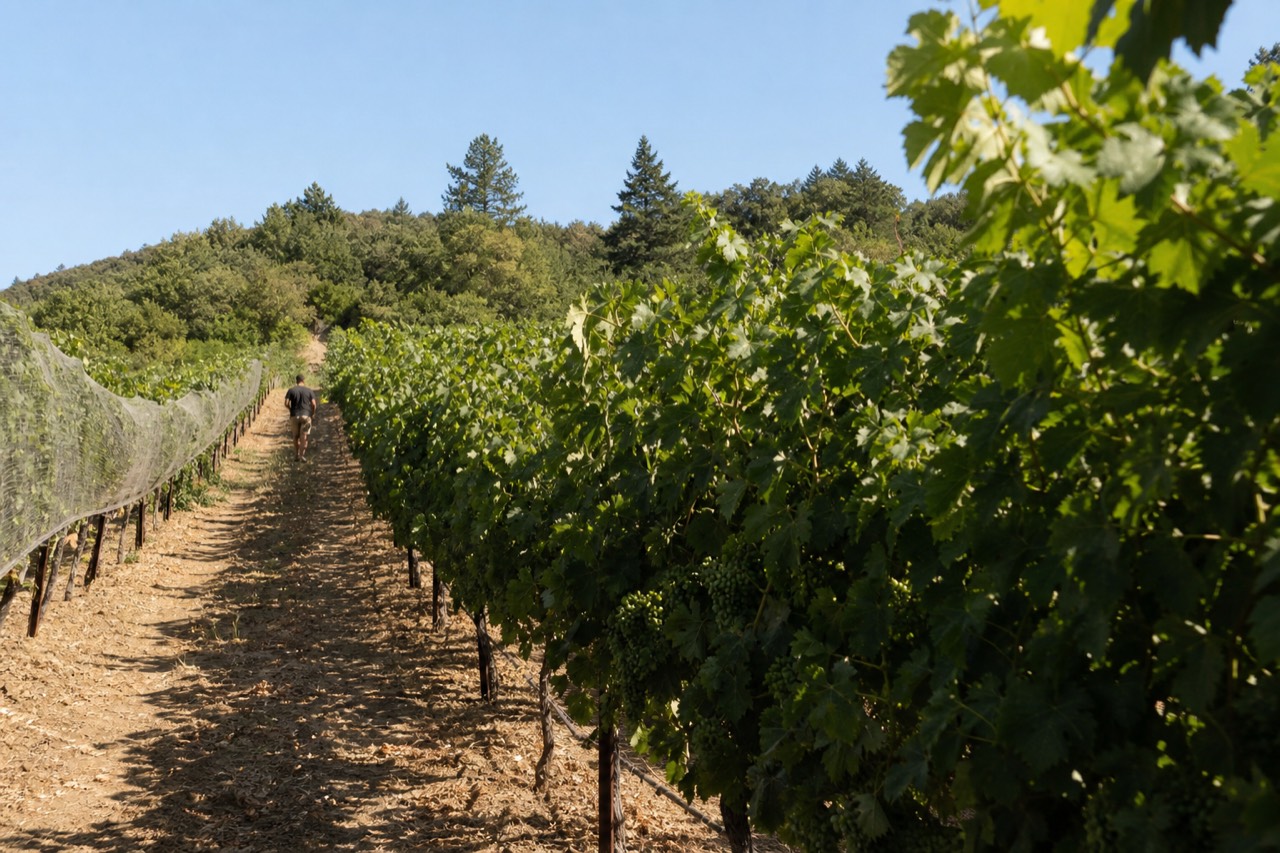
The best time to visit the Willamette Valley for wine tasting is September through October, when the August-to-October harvest window peaks, grapes hang heavy on the vines, and tasting rooms run at full schedule. May and June bring fewer crowds and green vineyard views, while winter offers the quietest rooms and the deepest library-wine pours.
Grapevines in Oregon's Willamette Valley follow a strict annual clock, and the valley's six federally recognized AVAs, Dundee Hills, Ribbon Ridge, Yamhill-Carlton, Chehalem Mountains, Eola-Amity Hills and McMinnville, all swing through the same cycle together. Pinot Noir, the valley's signature grape, ripens late, which pushes the real action of the year into a narrow August-to-October harvest window. That window is the single most useful fact for planning a trip, because nearly everything else, crowds, tasting room hours, tour availability, even which tour format works, follows from where you land on that calendar. This guide walks through the seasons in order, with a month-by-month table, a look at how weather changes which tour you should book, and the reservation habits that shift from one part of the year to the next.
What Is The Best Time To Visit The Willamette Valley For Wine Tasting?
September and early October are the best time to visit the Willamette Valley for wine tasting: the August-to-October harvest window is at its peak, vines hang full with ripening Pinot Noir, tasting rooms run their fullest schedules, and the weather is still warm enough for patio pours. Expect the biggest crowds and the earliest sell-outs of the year in exchange.
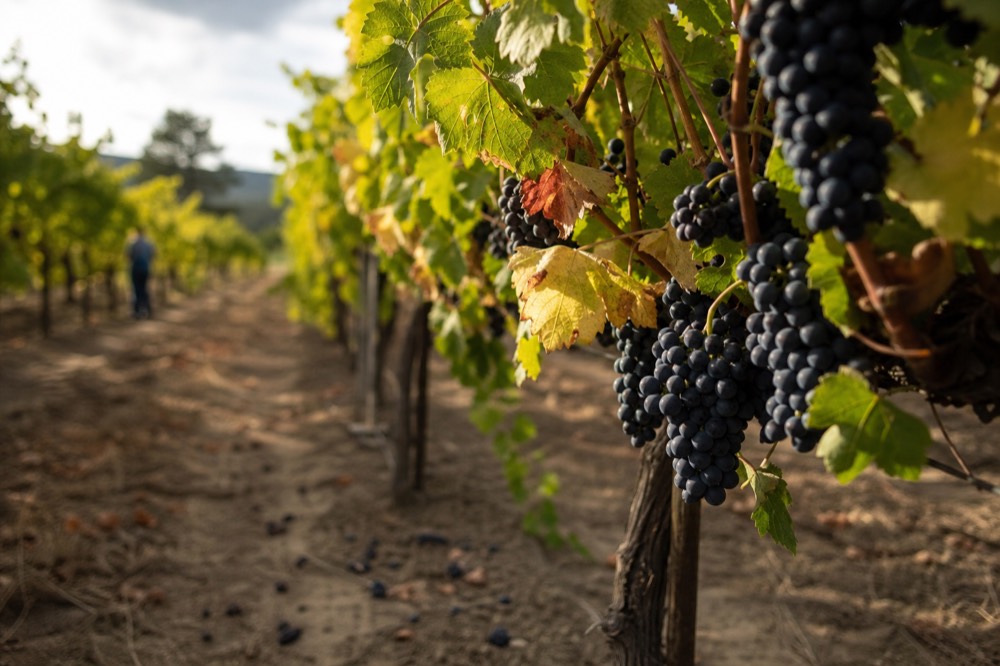
The harvest window deserves its reputation. From late August through October, wineries across the valley are picking, sorting, and crushing fruit, and many tasting rooms lean into the energy with extended hours, harvest dinners, and crush-pad viewing areas. The vines themselves are at their most photogenic, heavy clusters darkening against green and gold canopies. If the trip is a one-time visit and the goal is to see wine country at its most alive, this is the window to aim for.
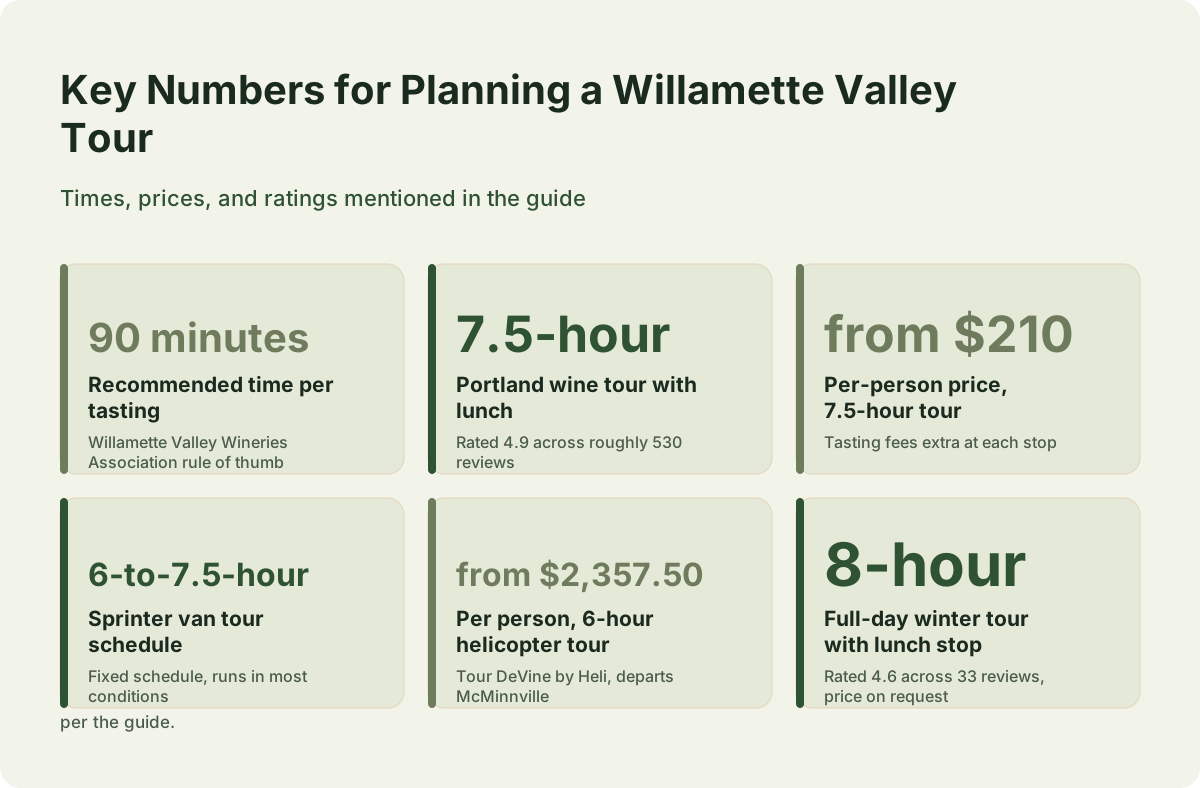
The trade-off is demand. The Willamette Valley Wineries Association recommends allowing at least 90 minutes per tasting and advises visitors to check each winery's reservation policy before arriving, advice that matters most during this stretch. Popular small-production tasting rooms fill their appointment calendars weeks ahead in September, and tours sell out too: the most-reviewed Portland tour on our roster, a 7.5-hour trip from A Great Oregon Wine Tour at from $210 per person, is flagged as often selling out on its live listing, and harvest weekends are exactly when that bites.
Shoulder seasons reward patience. May and June bring bright green vineyard canopies, lighter traffic, and tasting-room staff with time to talk. Winter, roughly November through February, is the quietest period of all, with the deepest discounts on lodging and the best access to library wines and vertical tastings, since tasting room teams have time to open older vintages for a small audience. Neither matches harvest for spectacle, but both beat it for conversation.
What Does Each Month Look Like In Wine Country?
Each month in the Willamette Valley trades crowd level against vineyard scenery and tasting-room access: January and February are quiet with library pours, May and June show green canopies with moderate crowds, and September and October combine peak scenery with peak demand and the tightest reservations of the year.
The table below is a planning summary, not a promise: exact tasting room hours and event schedules vary by winery, and the association's own advice is to check each winery before visiting.
| Month | Vineyard scene | Crowd level | Planning notes |
|---|---|---|---|
| January | Dormant, bare vines | Lowest | Library and vertical tastings; some tasting rooms cut winter hours |
| February | Dormant; pruning begins | Low | Quiet rooms, deepest lodging value |
| March | Bare vines, early bud swell | Low | Cool and wet; bring layers |
| April | Bud break begins | Low-moderate | Unpredictable weather; check hours |
| May | Fresh green growth | Moderate | A sweet spot for scenery and access |
| June | Full green canopies | Moderate | Long daylight; patio season begins |
| July | Green canopies, veraison late in month | Moderate-high | Warm, busy weekends |
| August | Veraison, grapes turning color | High | Harvest window opens late in the month |
| September | Peak ripeness, picking underway | Highest | Book tastings and tours well ahead |
| October | Late harvest, leaves turning gold | High | Harvest tail; best color of the year |
| November | Harvest done, leaves falling | Low-moderate | Release-season pours begin |
| December | Dormant, holiday events | Moderate | Holiday tasting weekends at many wineries |
Two practical patterns hide in that table. First, the crowd curve is not smooth: it spikes around three-day weekends and harvest events, not just across whole months, so a mid-September Tuesday can feel closer to June than to a Labor Day Saturday. Second, winter quiet is not the same as winter closed: most established tasting rooms stay open through the cold months on reduced schedules, and a handful of appointment-only rooms actually prefer winter visits because staff can give each group real attention.
If you want a tour rather than independent tasting, the same calendar applies with one addition: the best-reviewed operators publish their harvest-season dates early, and the good ones fill first. Comparing formats before you commit is worth an afternoon, and our trio below spans the range from a classic Portland group tour to a full-day deep dive to a helicopter option for a splurge.
How Does The Season Change Which Tour Format Works?
Season and tour format interact more than most visitors expect: a van tour runs in almost any weather year round, a walking-paced small-group tour depends on patio-friendly conditions in spring and fall, and a helicopter tour is genuinely weather-dependent, with winter fog and rain grounding flights that a Sprinter van would shrug off.
The van-versus-sky distinction matters most in the wet months. The Willamette Valley's winter pattern is mild but gray, with frequent rain from November through March, and a helicopter flight over the Dundee Hills simply cannot run in low visibility. Tour DeVine by Heli, a 6-hour helicopter wine tour departing McMinnville at from $2,357.50 per person, includes champagne, breakfast, lunch, and all tastings, and it is rated 5.0 across 75 reviews, but it is also flagged as often selling out on its listing. Book it for a July-through-October window and the odds of actually flying are strongly in your favor; book it for January and you are gambling against the marine layer.
Match the tour length and vehicle style to the season and the pace you want for the valley.
| Tour | Length | Group or vehicle | From price |
|---|---|---|---|
| Willamette Valley Wine Tasting Tour (Half-Day) | 5.5 hours | Private, Mercedes-Benz Sprinter van | $137.75 |
| Wine Tour of Willamette Valley by Sprinter Van | 6 hours | Mercedes-Benz Sprinter van | $145 |
| Portland Wine Tour of Willamette Valley (Sprinter Van) | 6 hours | Mercedes-Benz Sprinter van | $145 |
| Willamette Valley Wine Tasting Tour from Portland | About 7.5 hours | Small group, luxury passenger van | $149 |
| Willamette Valley Full-Day Wine Tour from Portland | Full day, back by about 5pm | Small group, door-to-door | $205 |
| Wine Tour of Willamette Valley with Lunch | 7.5 hours | Small group, door-to-door | $210 |
| Small-Group Wine Tour of Willamette Valley | 7.5 hours | Small group, custom 4x4 Mercedes-Benz | Price on request |
| Oregon Wine Tour: Full Day with Lunch Stop | 8 hours | Small group, hotel pickup | Price on request |
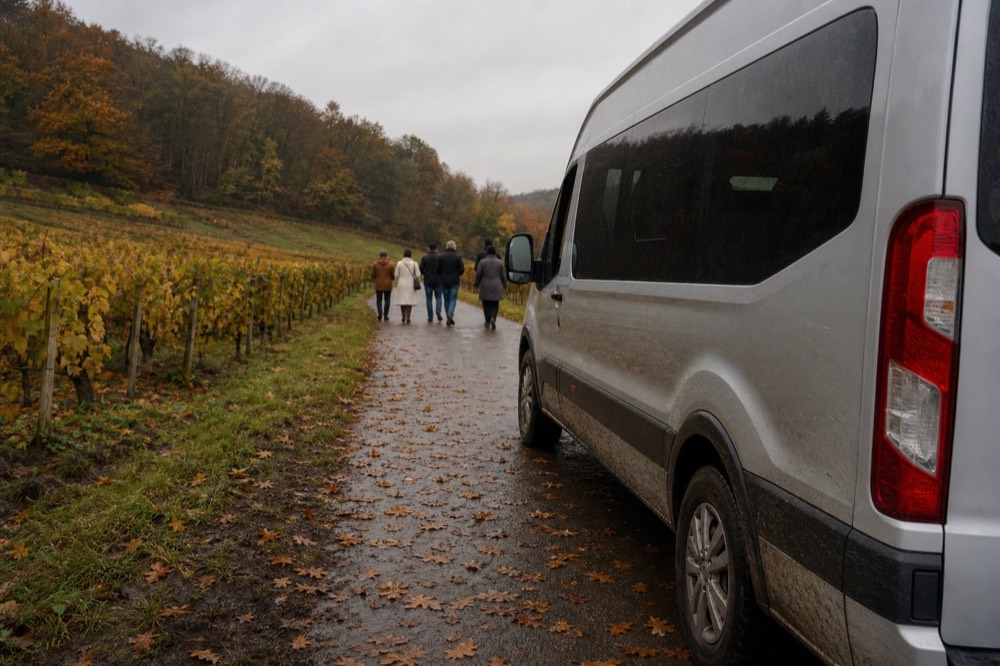
Van tours carry no such risk. A Mercedes-Benz Sprinter tour like the small-group trips running from downtown Portland operates on a fixed 6-to-7.5-hour schedule in nearly any condition, which makes them the reliable choice for spring and winter trips. The trade-off is scenery: a rainy-day tasting is cozy inside, but the vineyard views that make harvest season special are muted.
There is a legal angle worth knowing here too. Under Oregon's open-container law, ORS 811.170, passengers in a vehicle operated by a common carrier used primarily to carry passengers for hire are exempt from the open-container prohibition, an exemption a private car of friends does not get. That is the real legal basis for letting a chartered tour van do the driving rather than rotating a designated driver among your own group, and it holds in every season.
For anyone planning around a specific tour rather than a specific month, the practical advice is simple: match the format to the season you can travel. Helicopter and open-air experiences belong to the dry half of the year. Van and private-vehicle tours belong to any month. And if your dates are fixed by a birthday or an anniversary, a private tour with flexible routing, like the custom options running out of Newberg and McMinnville, absorbs weather changes better than any fixed-schedule group departure.
Is Spring A Good Time For Willamette Valley Wine Tasting?
Spring, especially May and June, is an excellent time for Willamette Valley wine tasting if you value green scenery, relaxed tasting rooms, and attentive staff over harvest action: crowds are moderate, vines are in fresh green growth, and reservation pressure is far lighter than in September, though April weather can still turn cold and wet.
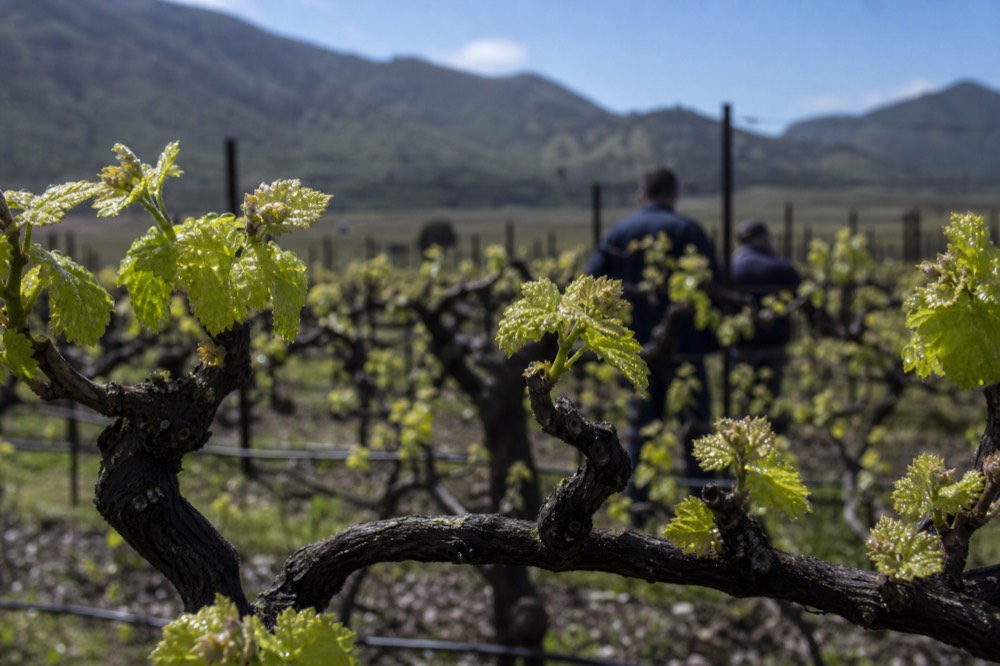
May is arguably the valley's most underrated month. The canopies are bright green, wildflowers line the back roads, and the tasting rooms are staffed for traffic that has not yet arrived. Pourers have time to walk you through flights properly, and appointment-only rooms often have next-day availability rather than next-month waits. June adds long daylight, which matters for tour logistics: a 7.5-hour day trip from Portland gets you back to the city with evening to spare.
Spring is also when the valley's reservation picture is at its most forgiving. The Willamette Valley Wineries Association notes that many wineries offer walk-in tastings while others have shifted toward appointment-only visits, and its advice is to check each winery before you go, guidance that is easy to follow in May but essential by September. Our companion piece on the question, do you need reservations for Willamette Valley wineries, breaks the policy landscape down in detail.
The one spring caution is April. Early-spring weather in the valley is genuinely unstable, with bud break on the vines happening anywhere from late March into April depending on the year, and rain arriving in sheets some days. Pack for it: our what to wear wine tasting guide covers the layering logic, and the short version is that a rain shell beats an umbrella on gravel tasting-room paths.
If a spring trip sounds right, a full-day format makes the most of the soft light and the easy availability. A 7.5-hour door-to-door tour with lunch included, like the well-reviewed Portland departure at from $210 per person, hits three or four rooms without any of the spring driving in rain on your own plate.
Why Is Harvest Season From August To October So Busy?
Harvest season, late August through October, is busy because it is the one stretch when the valley's core product is being made in front of you: grapes come off the vines, crush pads run at all hours, tasting rooms extend hours, and visitors who want to see winemaking rather than just taste its results all converge on the same few weeks.
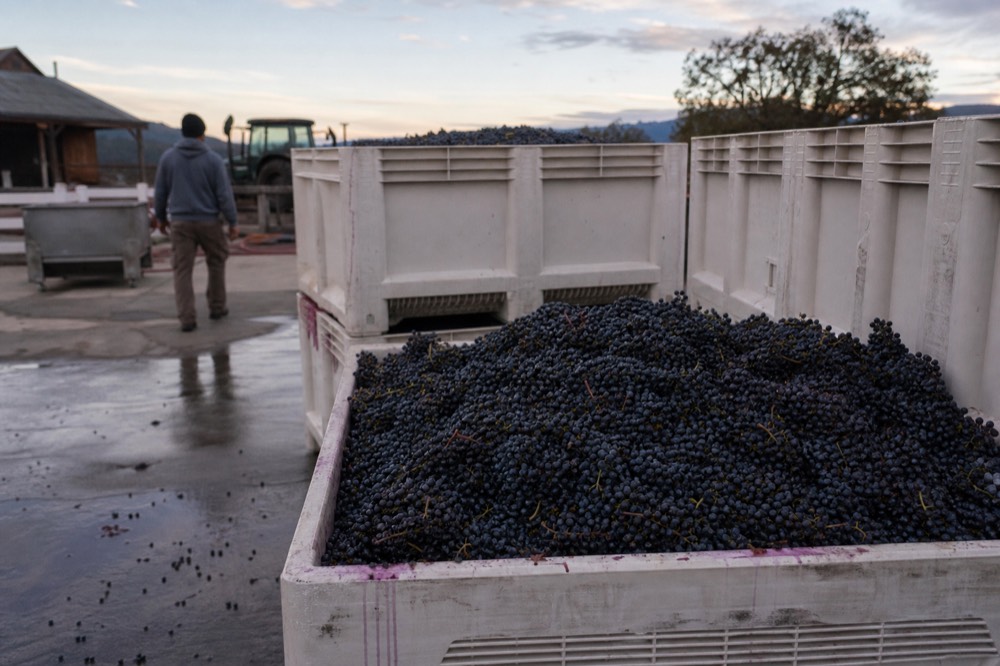
The pull is real and specific. During the crush, some wineries let visitors watch fruit come in from the fields, see sorting tables running, and smell fermentation in the cellar, an experience that simply does not exist in February. Add October's turning leaves on the hillsides and you get the valley's postcard season, the one that fills hotel rooms in Dundee, McMinnville, and Newberg months ahead.
The consequence is a seller's market for appointments. The top small-production rooms in the Dundee Hills and Yamhill-Carlton AVAs run appointment-only, and their September calendars fill first. If your heart is set on specific names, book tastings before you book anything else, then build lodging and transport around them. The association's 90-minutes-per-tasting rule of thumb means a realistic day holds three, maybe four, rooms, not six.
Tours feel the same squeeze. The most-reviewed tour on our entire roster, the 7.5-hour Portland wine tour with lunch from A Great Oregon Wine Tour, rated 4.9 across roughly 530 reviews, carries a verified "often sells out" flag on its listing, and harvest weekends are when that flag earns its keep. Its price sits at from $210 per person, with tasting fees extra at each stop.
If you want the harvest atmosphere without the peak-weekend stress, aim for the shoulders of the window itself: late August before the main pick, or mid-to-late October after most fruit is in, when the leaves are at their best color and the crush energy is still in the air but the appointment books have loosened. Weekdays throughout the window behave like a different valley entirely.
Is Winter Wine Tasting In The Willamette Valley Worth It?
Winter tasting, November through February, is worth it for the right traveler: tasting rooms are quiet and generous with time, library wines and vertical flights appear on lists, lodging prices drop hard, and the valley's mild-but-gray winter pattern is a fair trade for the deepest conversation and lowest crowds of the year.
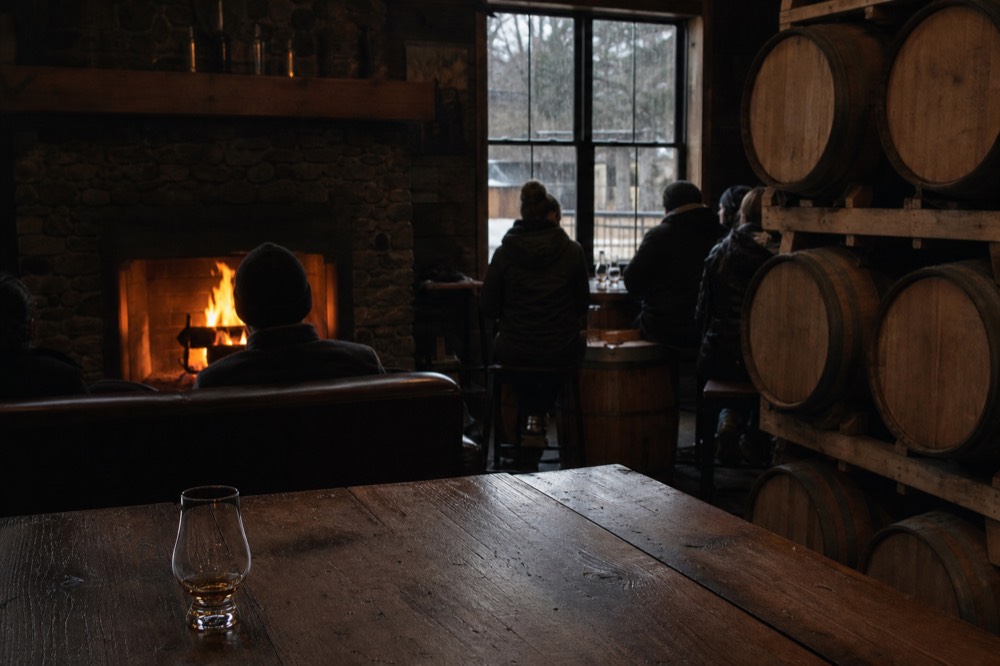
Winter is when the valley tastes like an insider's region. Staff-to-visitor ratios invert, and pourers who in September are moving forty people an hour through the room will in January walk two guests through a decade of vintages. Many wineries roll out library releases and vertical tastings of older Pinot Noir precisely because the audience is small enough to justify opening the bottles.
The economics improve too. Lodging in and around Newberg, McMinnville, and Carlton drops well off its September peak, and some tour operators run winter pricing or simply have wide-open calendars. A full-day 8-hour tour with a lunch stop, like the hotel-pickup option within about 45 miles of Portland rated 4.6 across 33 reviews, price on request, is dramatically easier to book on a February Tuesday than a September Saturday.
Winter's honest downsides: shorter daylight, rain on many days, and reduced hours at some tasting rooms, with a few rooms closing outright in January. Vineyard scenery is bare and brown. The fix is to plan around indoor pleasures, cellar tours, barrel tastings, long lunches, and to keep the driving day short rather than chasing a fourth stop in the dark.
Do Reservations Matter More In Some Seasons Than Others?
Yes: reservation pressure in the Willamette Valley is strongly seasonal, with appointment-only rooms booking out weeks ahead during the August-to-October harvest window, especially on weekends, while spring and winter visits often work with next-day or same-week booking, and the association's advice to check each winery individually applies year round.
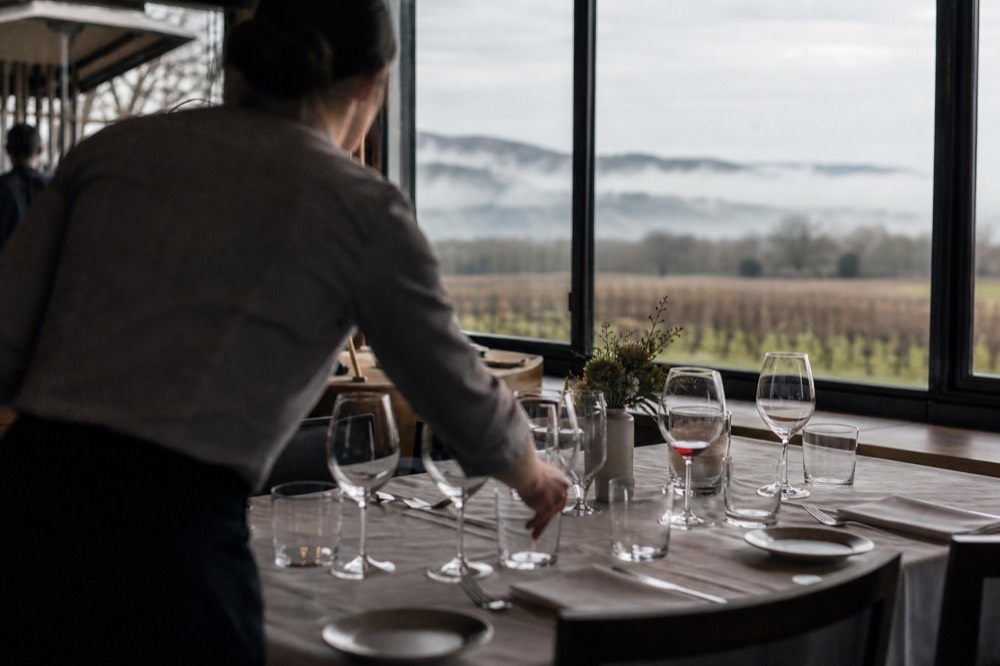
The Willamette Valley Wineries Association's own guidance captures the mixed picture: many wineries offer walk-in tastings, but more have shifted toward appointment-only or reservation-recommended visits in recent years, and its advice is to check each winery before visiting rather than assume a blanket policy. That mixed picture tightens and loosens with the calendar.
Flexibility matters most in peak season, so compare each tour's cancellation terms and prices before you lock in dates.
| Tour | Cancellation | From price | Length |
|---|---|---|---|
| Willamette Wine Tour from Newberg | Free cancellation up to 24 hours before | $354.70 | 6 to 9 hours |
| Custom Wine Tour from The Allison Inn and Spa | Free cancellation up to 24 hours before | $430 | 6 to 9 hours |
| Tour DeVine by Heli: Helicopter Wine Tour | Free cancellation up to 24 hours before | $2,357.50 | 6 hours |
| Willamette Wine Tour from McMinnville | Free cancellation up to 24 hours before | Price on request | 6 to 9 hours |
| Boutique Winery Tour with Lunch | Free cancellation, policy noted on the listing | Price on request | 5 to 6 hours |
| Private Dundee Hills Luxury Wine Tour | Free cancellation up to 24 hours before | Price on request | 6 hours |
| Hop-On Hop-Off Wine Tour | Free cancellation up to 24 hours before | Price on request | 4.5 hours |
| Season | Reservation reality | Practical move |
|---|---|---|
| Winter (Nov-Feb) | Walk-ins usually fine; some rooms on reduced hours | Confirm hours, then go |
| Spring (Mar-Jun) | Next-day bookings mostly work; weekends tighter | Book 3-7 days out |
| Summer (Jul-Aug) | Appointment-only rooms fill for weekends | Book 1-2 weeks out |
| Harvest (Sep-Oct) | Peak demand; top rooms book out weeks ahead | Book tastings first, then lodging |
One planning wrinkle that surprises first-time visitors: groups change the math. The association explicitly recommends hiring a tour company for group visits, and many appointment-only rooms that decline a party of two on a September Saturday will happily take a tour operator's group booking, because the operator brings a known quantity and a known schedule. A guided tour is not just transport in peak season, it is sometimes the only reliable way into the room.
There is also an age-related wrinkle worth knowing before you go. Oregon law sets the drinking age at 21, and under OAR 845-006-0335, "reasonable doubt" of a guest's age is defined as appearing under 26, meaning tasting room staff are legally required to card anyone who looks 25 or younger. Anyone in your group who might read as under 26 should bring ID regardless of their actual age.
What Should You Budget For A Willamette Valley Trip By Season?
Budget for a Willamette Valley trip in three layers that each move with the season: tasting fees usually run about $25 to $60 per winery per person depending on the room, tour prices span from $137.75 to $235 per person for group van tours from Portland, and lodging swings hardest of all, peaking in September and bottoming out in January and February.
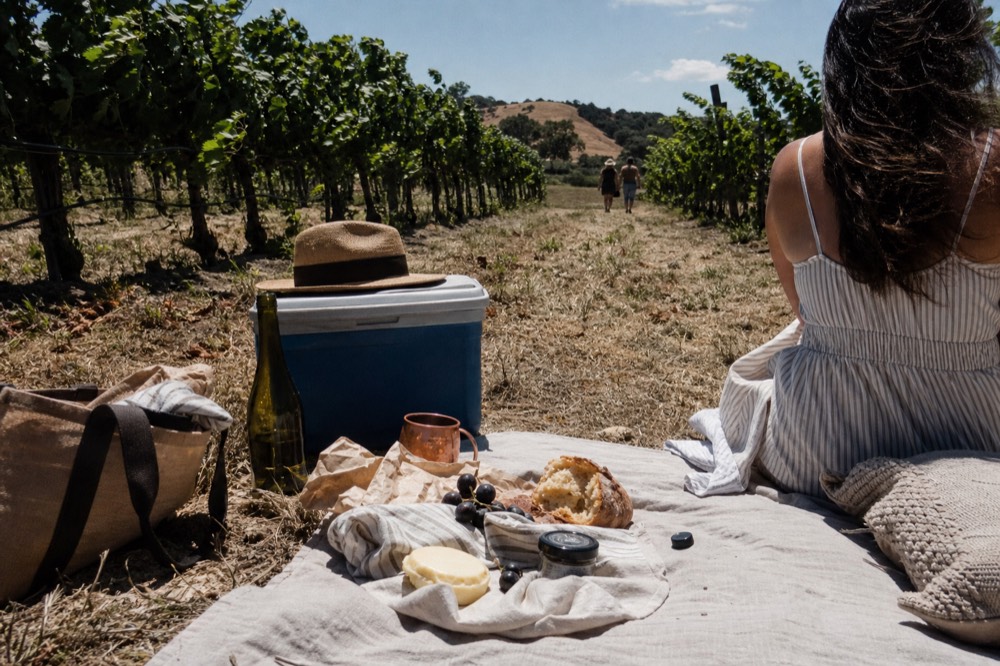
Tasting fees are the most predictable layer. Across the valley's rooms, fees usually run about $25 to $60 per person per winery, with the higher end at the small-production appointment-only rooms, and many wineries waive the fee with a bottle purchase, a norm several tours on our roster note explicitly. Tour-specific figures vary: one Sprinter-van operator lists tasting fees of $25 to $45 per stop, while full-day tours typically note $35 to $60. Always confirm the current fee at the room itself.
Set your budget for the trip, then weigh each tour's price and rating against the season you plan to visit.
| Tour | Operator | From price | Rating on the listing |
|---|---|---|---|
| Willamette Valley Wine Tasting Tour (Half-Day) | Oregon Tour Experts | $137.75 per person | 5.0 across 1 review |
| Wine Tour of Willamette Valley by Sprinter Van | America's Hub World Tours | $145 per person | 4.5 across 51 reviews |
| Portland Wine Tour of Willamette Valley (Sprinter Van) | America's Hub World Tours | $145 per person | No overall rating shown, 230 reviews |
| Willamette Valley Wine Tasting Tour from Portland | Wildwood Adventures | $149 per person | 5.0 across 4 reviews |
| Willamette Valley Wine & Whisky Tour | Terran Travels | $199 per person | 4.3 across 5 reviews |
| Willamette Valley Full-Day Wine Tour from Portland | A Great Oregon Wine Tour | $205 per person | 4.8 across 32 reviews |
| Wine Tour of Willamette Valley with Lunch | A Great Oregon Wine Tour | $210 per person | 4.9 across 530 reviews |
| Door-to-Door Wine Tour in Willamette Valley | Willamette Valley Tour LLC | $235 per person | 5.0 across 5 reviews |
| Best Wines, Best Views: Private Full-Day Tour | Wine History Tours | $318 per person | 5.0 across 5 reviews |
| Willamette Wine Tour from Newberg | Wine History Tours | $354.70 per person | 5.0 across 34 reviews |
| Custom Wine Tour from The Allison Inn and Spa | Wine History Tours | $430 per person | 4.5 across 10 reviews |
| Private Wine Tour of Willamette Valley from Portland | Sea to Summit Tours & Adventures | $600 per person | 5.0 across 12 reviews |
| Private Wine Tour with a Local Sommelier | Chevonne Ball | $2,250 per person | 5.0 across 3 reviews |
| Tour DeVine by Heli: Helicopter Wine Tour | Tour DeVine by Heli | $2,357.50 per person | 5.0 across 75 reviews |
| Cost layer | Typical range | Seasonal swing |
|---|---|---|
| Tasting fee per winery | ~$25-60 per person | Higher at top rooms in harvest season |
| Group van tour from Portland | from $137.75-235 per person | Sells out first in Sep-Oct |
| Private tour | from $318-600 per person | Book early for harvest dates |
| Lodging (wine country) | Varies widely by property | Peaks Sep-Oct, lowest Jan-Feb |
Tour prices span a wide band. On the group end, a 5.5-hour Sprinter tour from Portland starts at $137.75 per person, the lowest published price on our site, while the door-to-door Portland tour with lunch runs from $235 per person. Private options start higher: a scenic Dundee Hills private tour from $318 per person, and a fully private custom Sprinter tour with all tasting fees included from $600 per person. Our full cost breakdown lives in the Willamette Valley wine tasting cost guide.
The season interacts with all three layers. Harvest season means full tasting fees, full tour prices, and peak lodging, but also the fullest experience. Winter means the same tasting fees at many rooms but lodging at its cheapest and tours at their most available. Spring sits in between on every line, which is why experienced visitors who have already seen one harvest often quietly switch their trips to May.
How Do You Match The Season To Your Trip In One Quick Pass?
Match the season to your priorities in one pass: choose September or October for spectacle and harvest energy, May or June for green scenery and relaxed rooms, November through February for quiet, library pours, and value, and July or August only if you want warm patios and can book ahead.
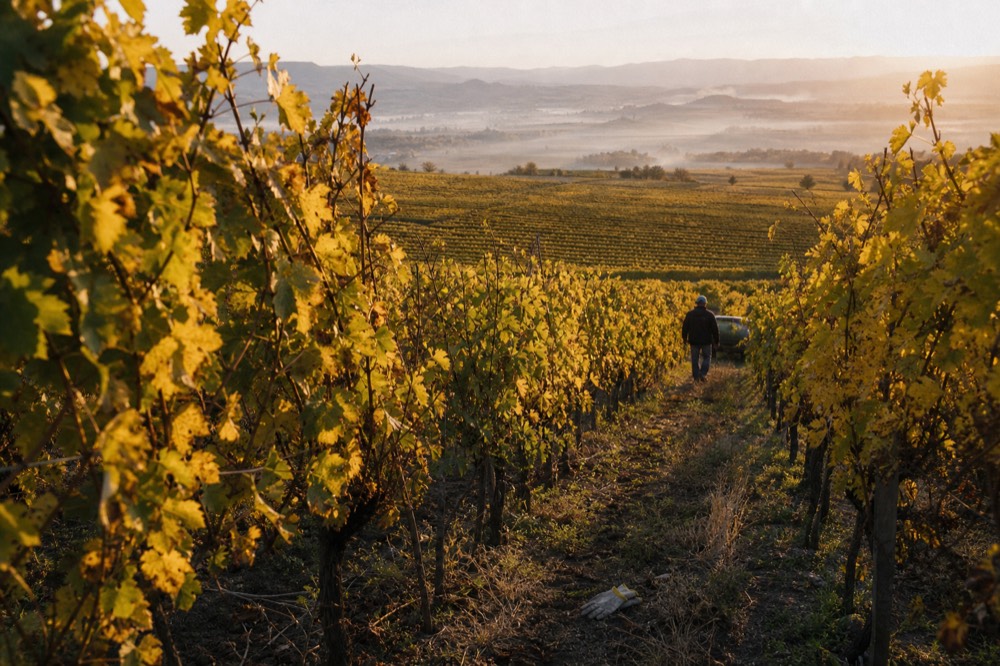
A quick decision path looks like this. If this is a once-in-a-decade trip and you want the postcard, book September, choose weekday dates if you can, reserve tastings at your must-visit rooms first, and lock a tour early, since the popular ones carry verified sell-out flags. If you have already seen a harvest or simply prefer talking to pouring, flip to May: green vines, light calendars, and staff with time. If budget leads, go January or February and trade scenery for library flights and quiet bar stools.
Format follows season. Van and private-vehicle tours run year round and are the dependable choice in the wet months. Helicopter and open-air splurges belong to the dry half of the year, roughly May through October. And whatever the month, letting a for-hire carrier do the driving carries the open-container exemption under ORS 811.170 that a private car does not, which is why Willamette Valley Wine Tours exists as a resource in the first place: the season sets the scenery, but the right tour sets the pace.
Wherever you land on the calendar, these three formats cover the range of what the valley offers, from a lunch-included group day to a full-day deep dive to a helicopter arrival.
The best time to visit the Willamette Valley for wine tasting is September through early October, inside the August-to-October harvest window, when vines hang heavy with ripe Pinot Noir and tasting rooms run their fullest schedules. Spring and winter offer quieter alternatives with lighter reservation pressure and lower lodging costs. The questions below cover the seasonal specifics visitors ask about most.
Common Questions About The Best Time To Visit The Willamette Valley
What is the best time to visit the Willamette Valley for wine tasting?
September through early October, inside the August-to-October harvest window, when vines are heavy with ripe Pinot Noir, tasting rooms run their fullest schedules, and winemaking is visibly underway. Expect peak crowds and book tastings and tours well ahead.
Is winter a good time to visit Willamette Valley wineries?
Yes, for the right traveler. Tasting rooms are quiet, staff have time for real conversation, library wines and vertical flights appear on lists, and lodging prices are at their lowest. Some rooms run reduced winter hours, so confirm before you go.
Do I need reservations for Willamette Valley wine tasting?
It depends on the winery and the season. Many wineries offer walk-in tastings, but more have shifted toward appointment-only visits, and the association's advice is to check each winery before visiting. In September and October, top rooms book out weeks ahead.
When is harvest in the Willamette Valley?
The harvest window runs roughly August through October, with Pinot Noir, the valley's signature grape, typically coming off the vines in September and early October. This is the busiest and most scenic stretch of the wine country year.
Are wine tours weather-dependent?
Van and private-vehicle tours run in nearly all conditions year round. Helicopter tours are genuinely weather-dependent: winter fog and rain can ground flights over the Dundee Hills, so book aerial tours for the drier May-through-October stretch.
What is the cheapest season to visit the Willamette Valley?
January and February. Lodging drops well off its September peak, tours have wide-open availability, and many tasting rooms still pour their standard flights, some with library wines added. The trade-off is bare vines, shorter days, and frequent rain.