What Makes Willamette Valley Pinot Noir Unique?
The climate, soils and AVA geography that set Willamette Valley Pinot Noir apart, plus how a sommelier-guided or winemaker-led tasting shows you the difference glass by glass.
What Makes Willamette Valley Pinot Noir Unique?
What Makes Willamette Valley Pinot Noir Unique?
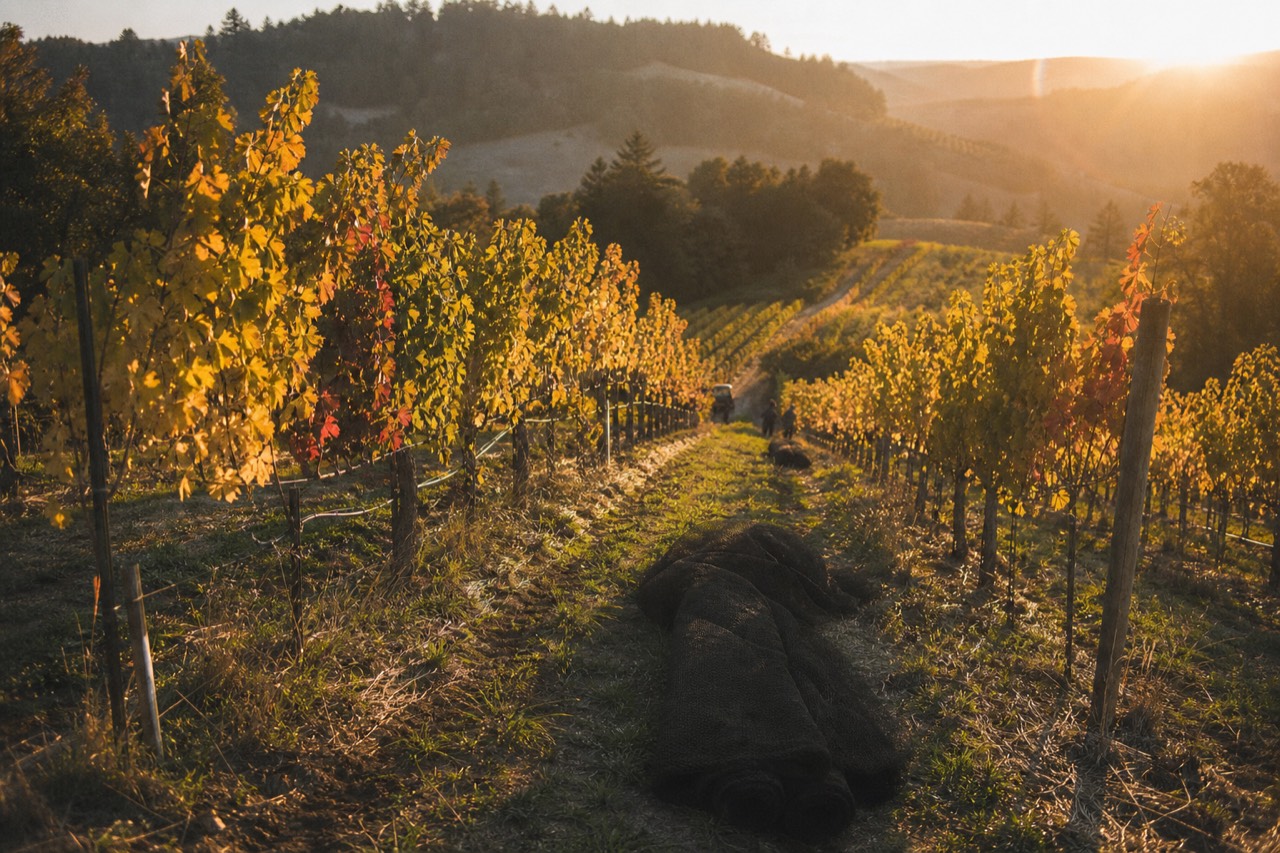
Pinot Noir from the Willamette Valley stands apart because the grape ripens slowly in a genuinely cool maritime climate, drawing flavor from volcanic Jory soils across six federally recognized AVAs: Dundee Hills, Ribbon Ridge, Yamhill-Carlton, Chehalem Mountains, Eola-Amity Hills and McMinnville. The result is a leaner, more acid-driven style than California Pinot Noir, one where structure and place matter more than sheer fruit weight.
That is the short version, and it is worth unpacking, because every part of it is doing real work. Pinot Noir is famously difficult. It buds early, ripens late, and rots easily, which means it only thrives in a narrow band of conditions: warm enough to ripen, cool enough to keep its acidity. The Willamette Valley sits at roughly the same latitude as Burgundy, the grape's ancestral home, and shares its long, gentle ripening season. Days are warm but rarely hot; nights stay cool because Pacific air funnels through the Columbia Gorge and the Coast Range gaps. Grapes that ripen over a long season develop aroma and complexity rather than sugar and heft.
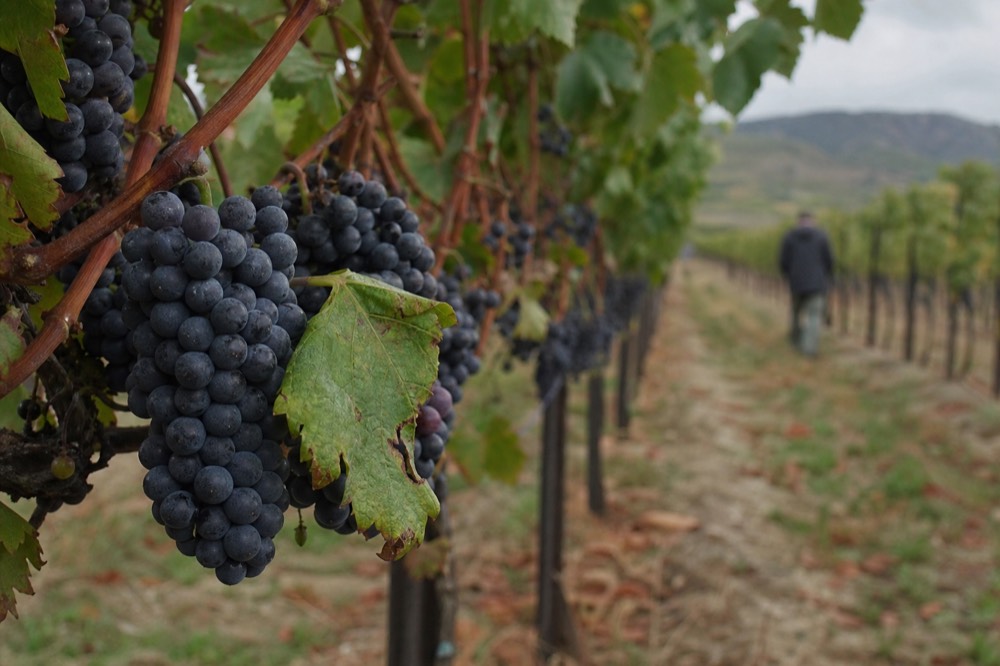
The grape itself arrived late to Oregon. David Lett planted the first Pinot Noir in the Willamette Valley in the mid-1960s, when conventional wisdom said the climate was too cold and the market wanted nothing to do with Oregon wine. Within two decades, Willamette Valley Pinots were beating Burgundian entries in blind tastings, and the region's identity was locked in: a small valley, a hard grape, a wine that argues for itself on finesse. Today Pinot Noir remains the valley's signature grape, with Chardonnay, Pinot Gris and traditional-method sparkling wine rounding out most tasting flights.
What that means for a visitor is unusually direct. Because the region is compact and the AVAs sit shoulder to shoulder, you can taste the same grape grown ten minutes apart in different soils and taste the difference plainly. That is not marketing; it is the physical geography of the place, and it is the reason a structured tasting, rather than a single stop, is the best way to understand the wine. Willamette Valley Wine Tours exists largely to organize exactly that kind of comparison.
For travelers who want that comparison guided rather than self-directed, a private sommelier-led or winemaker-focused day is the sharpest tool available.
How Do Cool-climate Conditions Shape Willamette Valley Pinot Noir?
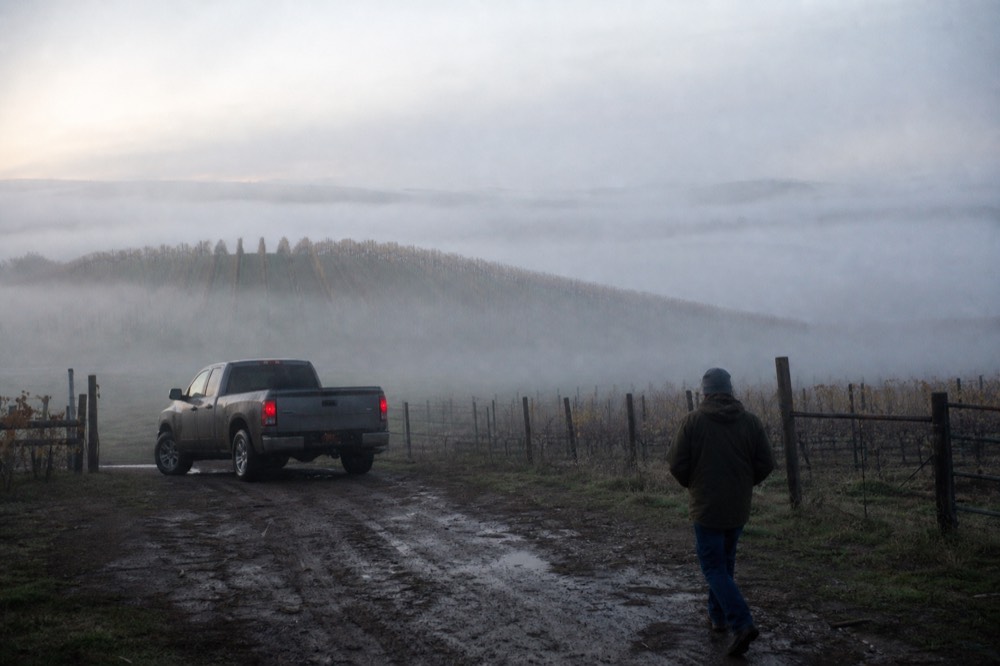
Cool-climate growing conditions slow ripening so completely that Willamette Valley Pinot Noir keeps natural acidity most warmer regions cook out of the grape. The long, mild season builds aroma and structure instead of sugar, producing wines that are lower in alcohol, higher in acidity, and lighter in body than the riper styles made further south in California.
The mechanism is simple. In hot regions, sugar accumulates fast, fermentation converts that sugar to alcohol, and the resulting wine tastes generous and full. In the Willamette Valley, ripening stretches across months of moderate days and cold nights. The Willamette Valley Wineries Association, the region's own trade body, frames the valley's draw for visitors around this gentle rhythm: its guidance recommends allowing "at least 90 minutes per tasting," a pace that reflects how much there is to notice in a cool-climate glass. Nothing about a wine built on subtlety rewards hurrying.
The practical consequences show up in the glass. Cool-climate Pinot Noir is typically translucent ruby rather than opaque purple. It leans toward red and dark fruit aromatics with savory, earthy undertones rather than jammy sweetness, and, critically, it carries enough acidity to pair with food and to age. This is also why the wine rewards context: knowing a bottle came from a cool vintage versus a warm one, or from volcanic soil versus marine sediment, changes what you notice when you taste it. The association's own visitor advice is blunt about groups: designate a driver or hire a tour company, which is also the safe and legal choice, since passengers in a properly chartered for-hire tour vehicle are exempt from Oregon's open-container law under ORS 811.170.
It is worth being honest about vintage variation, too. Because the climate is genuinely marginal for the grape, vintage matters here more than in warmer regions: some years deliver concentration, others deliver elegance and high acid. That variability is not a flaw to hide. It is the price of the style, and a reason the valley's winemakers talk about vintages the way farmers talk about weather, because that is exactly what they are.
Why Do The Valley's Soils Matter So Much For This Grape?
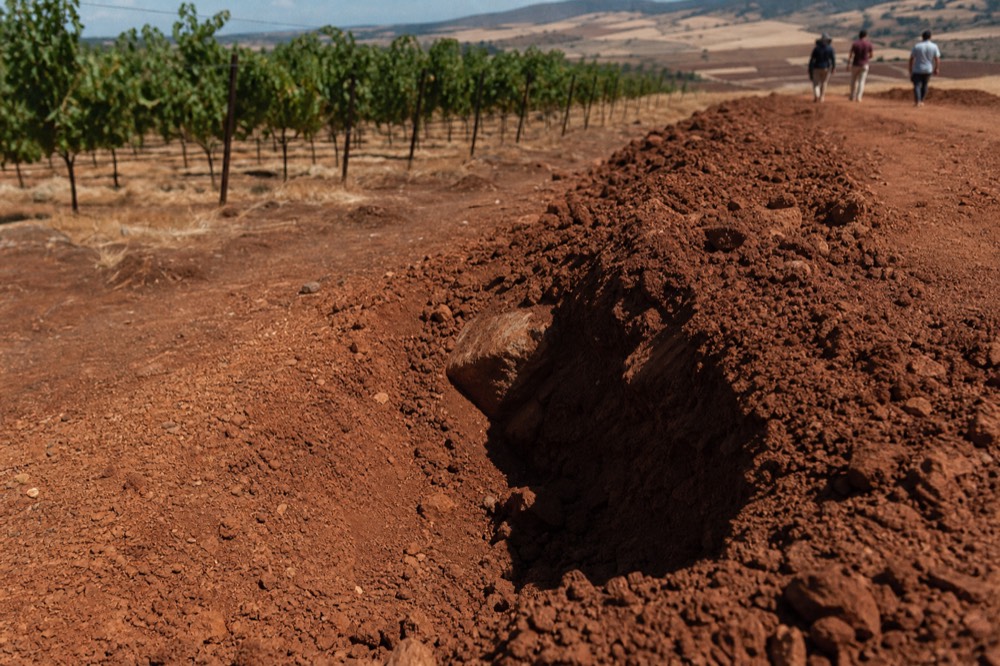
The Willamette Valley's red hills are built on ancient volcanic basalt, especially the iron-rich Jory soil of the Dundee Hills, while other AVAs sit on marine sediment left by Ice Age floods. Pinot Noir expresses those soil differences more transparently than almost any other grape, which is why vineyard site, not winemaking tricks, drives the region's reputation.
Roughly 15 million years ago, lava flows covered what is now the valley's eastern hills. Those basalt sheets weathered into the deep, reddish Jory soils that define the Dundee Hills, and the iron in that soil is often credited with giving the area's Pinot Noir its structure and spine. Much later, catastrophic glacial floods from the Missoula Lake system repeatedly inundated the valley floor, depositing the marine sedimentary soils that dominate areas like Yamhill-Carlton and the McMinnville hills. Two dramatically different geological stories, within a short drive of each other, both planted to the same grape.
Pinot Noir is the messenger for those differences because it is a translucent grape. It does not blanket site character the way thick-skinned varieties can; the winemaker's fingerprints and the vineyard's fingerprints both show. This is why the valley's wineries organize so much of their storytelling around specific sites, and it is why comparing AVAs side by side in a single afternoon is the fastest education available to a visitor. Our Dundee Hills wineries guide breaks down the most-visited tasting rooms on that volcanic ground, and the Willamette Valley AVAs guide maps all six appellations in detail.
Here is how the main soil-and-climate contrasts stack up across the valley's nested AVAs:
| AVA | Dominant geology | What it generally means for the wine |
|---|---|---|
| Dundee Hills | Volcanic Jory basalt soils | Structure and brightness; the region's most celebrated Pinot ground |
| Ribbon Ridge | Silt and clay over sandstone | Small, warm pocket; ripens reliably in cool years |
| Yamhill-Carlton | Marine sedimentary soils | Softer texture and spicier character in many bottlings |
| Chehalem Mountains | Mixed volcanic and sedimentary | The most varied of the six, spanning several soil types |
| Eola-Amity Hills | Volcanic and sedimentary, wind-exposed | Cooler sites; acidity and aromatic lift |
| McMinnville | Marine sediment, rain-shadowed | Drier and slightly warmer; structured, savory styles |
A sommelier-guided day is the most efficient way to put that table to the test in person, since a professional guide can steer the itinerary toward AVA contrast rather than winery familiarity.
What Do Guided Tastings Actually Reveal About The Wine?
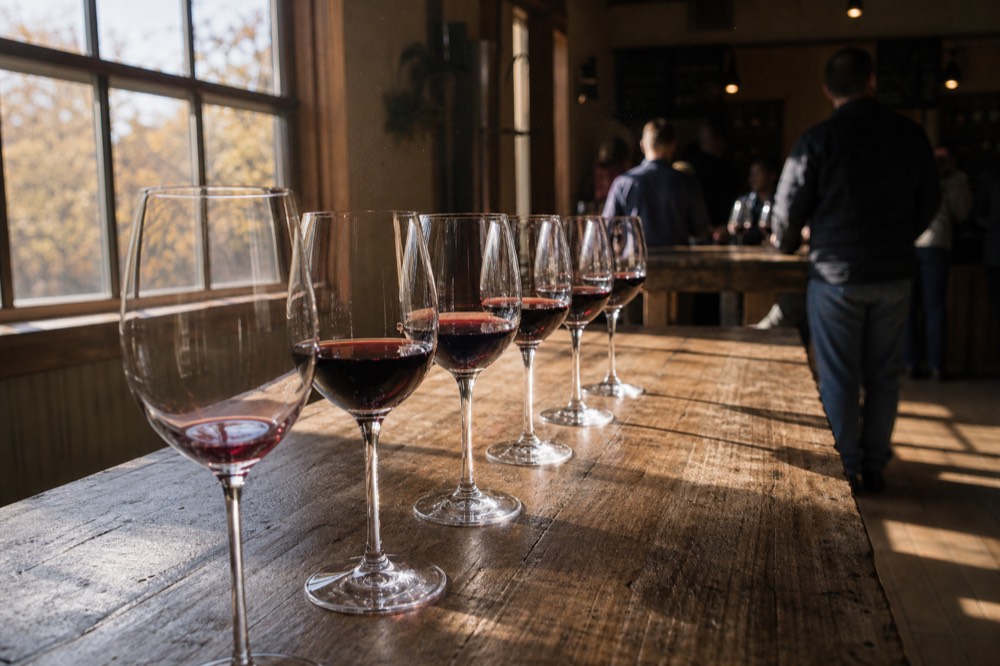
A guided tasting reveals what solo visiting usually misses: vintage context, AVA comparison and winemaking choices explained while the wine is still in the glass. In the Willamette Valley, where the differences between neighboring appellations are the whole point, a sommelier or winemaker guide converts a pleasant afternoon of sipping into a genuine education in cool-climate Pinot Noir.
The most direct option on our roster is the private sommelier-led tour from Chevonne Ball, which runs 6-9 hours, picks up anywhere in Yamhill County, and includes restaurant lunch and sommelier-guided tastings in the price, from $2,250pp, rated 5.0 across 3 reviews. A sommelier's value here is not ceremony. It is translation: when a winery host says a wine is from "Jory soils on a southwest slope," a sommelier tells you what to taste for, then confirms or complicates it. For groups that already know they love Pinot Noir, this is the tour that explains why each glass tastes different.
Before you book, this comparison shows which tours include lunch, which cover tasting fees and how strict each cancellation policy is.
| Tour | Lunch | Tasting fees | Cancellation |
|---|---|---|---|
| Willamette Wine Tour from Newberg | Meals not included | Tasting fees included | Free cancellation up to 24 hours before |
| Custom Wine Tour from The Allison Inn and Spa | Meals not included | Tasting fees included | Free cancellation up to 24 hours before |
| Private Wine Tour of Willamette Valley from Portland | Lunch not included | All tasting fees included | Non-refundable |
| Private Wine Tour with a Local Sommelier | Lunch from a local restaurant, dietary options available | Tastings guided by a sommelier | Free cancellation up to 24 hours before |
| Tour DeVine by Heli: Helicopter Wine Tour | Champagne, breakfast snacks and lunch included | Tastings included | Free cancellation up to 24 hours before |
| Small-Group Wine Tour of Willamette Valley | Lunch not included | Fees included at 3 wineries | Non-refundable |
| Willamette Wine Tour from McMinnville | Meals not included | Tasting fees included | Free cancellation up to 24 hours before |
| Boutique Winery Tour with Lunch | Boxed lunch included | Tastings included | Free cancellation, policy noted on the listing |
A winemaker-focused alternative is the private customized wine maker tour, an 8.5-hour day with pickup from Portland lodging around 10am and a picnic or wine-pairing lunch included, though the listing notes it often sells out and its price is on request. And for a flexible private format that does not lock you into one host's script, works4wine's "Explore the Wines of Oregon's Willamette Valley" runs 6-7 hours for up to 12 travelers with pickup anywhere in the valley, rated 5.0 across 132 reviews, price on request.
The self-guided route works too, with caveats. Reservation norms across the valley are genuinely mixed: the Willamette Valley Wineries Association says many wineries still offer walk-in tastings, but more have shifted toward appointment-only or reservation-recommended visits, and its own advice is to check each winery before visiting. A tour handles that logistics layer for you, which matters most on summer weekends. Our reservations guide covers the policy picture in detail.
Still weighing whether a guided day fits your trip?
Which AVA Should A Pinot Noir Lover Visit First?
Most first-time visitors should start with the Dundee Hills, the valley's most famous Pinot Noir ground and the home of its founding wineries, before adding neighboring Ribbon Ridge or Yamhill-Carlton for soil contrast. Staying in McMinnville or Newberg puts you within twenty minutes of all three, and the hop-on hop-off shuttle from Carlton offers a lower-commitment alternative.
The Dundee Hills is where the story started, and it remains the densest concentration of celebrated producers. It is also the most scenic stretch of wine country in the valley, which is why viewpoint-driven private tours cluster there. Wine History Tours' "Best Wines Best Views" private tour is built exactly around Dundee Hills viewpoints, running 6-9 hours from a Newberg-Dundee meeting point from $318pp, rated 5.0 across 5 reviews, with tasting fees extra.
Beyond the Dundee Hills, your choice depends on what kind of taster you are. Ribbon Ridge is tiny and intimate, home to a handful of producers; Yamhill-Carlton spreads over gentler hills with a more relaxed pace; the Eola-Amity Hills, near Salem, feel quieter and more agricultural. The McMinnville area combines serious wineries with a genuine small-town food scene, which our McMinnville wine country overview covers in full. Wherever you land, one practical note holds valley-wide: Oregon licensees must check ID for anyone who appears under 26 under OAR 845-006-0335, so bring identification even if you are well past 21.
Is Willamette Valley Pinot Noir Worth The Trip On Its Own?
Yes, for most wine drinkers it is, because the valley offers something rare: a world-reference-region grape you can explore exhaustively in two or three days. Six AVAs, a compact geography, walkable tasting hubs like McMinnville and Dundee, and a distinct cool-climate style that cannot be replicated elsewhere add up to a trip that is about one wine, deeply, rather than many wines, superficially.
The comparison that gets made most often is Burgundy, and it is fair on climate and ambition, though the Willamette Valley is friendlier, cheaper to visit and far easier to navigate in a weekend. Our Napa comparison guide makes the domestic contrast in detail; the short version is that Napa delivers power and polish, while the Willamette Valley delivers freshness and place, at tasting prices that usually sting less. For timing, the seasonal guide weighs harvest season against summer crowds, and late summer through fall remains the classic window.
Tasting fees across the valley usually run in the modest double digits per stop, with many wineries waiving the fee with a bottle purchase, so check the room's policy when you book. If you would rather not think about any of it, a private day that bundles the driving, the reservations and the commentary is the simplest route into the region's signature wine.
Whichever format you choose, the underlying wine is the same, and it is the reason all these itineraries exist: a cool-climate Pinot Noir that tastes unmistakably of one small valley. Between the volcanic hills, the marine-sediment ridges and the sparkling producers filling out the flights, a well-planned two or three days here can cover more ground, stylistically, than a week in most larger regions. The private options below are the three formats best suited to doing exactly that.
Readers ask a handful of practical questions before booking a Pinot-focused trip to the valley, and most of them come down to three things: how the local style differs from California, which AVA to visit first, and whether reservations or a guided tour are worth arranging. The answers below cover each one using the region's own published guidance, so you can plan a visit around the wine rather than around guesswork.
Common Questions About Willamette Valley Pinot Noir
What Makes Willamette Valley Pinot Noir Unique?
Cool maritime climate, volcanic and marine sedimentary soils, and six nested AVAs combine to produce a leaner, higher-acid, more site-transparent style of Pinot Noir than warmer regions make. The grape ripens slowly across a long season, preserving freshness while developing aromatic complexity, and the compact geography lets you taste the soil differences side by side in a single day.
How is Willamette Valley Pinot Noir different from California Pinot Noir?
Willamette Valley bottlings are typically lighter in body, lower in alcohol and higher in acidity, with more savory, earthy character and less ripe fruit weight. The cooler climate is the main driver: slower ripening means less sugar at harvest, which means less alcohol after fermentation and a tighter, more food-friendly structure.
Which AVA should I visit for the best Pinot Noir?
The Dundee Hills is the most celebrated starting point, on volcanic Jory soils and home to many of the region's founding wineries. Ribbon Ridge and Yamhill-Carlton sit minutes away on contrasting soils and reward a second and third stop. Basing yourself in McMinnville or Newberg keeps all of them within a short drive.
Do I need reservations for Willamette Valley tastings?
It is genuinely mixed. The Willamette Valley Wineries Association says many wineries offer walk-in tastings, but more have moved to appointment-only or reservation-recommended policies, and its advice is to check each winery individually before visiting. Booked tours typically handle winery reservations for you.
Is a sommelier-guided tour worth it for understanding Pinot Noir?
If you want to learn rather than just taste, yes. A sommelier explains what soil, slope and vintage mean in the glass while you are drinking it, and can build an itinerary around AVA contrast. Chevonne Ball's private tour runs 6-9 hours from $2,250pp with lunch and guided tastings included, rated 5.0 across 3 reviews.