Willamette Valley Vs Napa Valley: An Honest Comparison For Wine Travelers
Oregon's Willamette Valley and California's Napa Valley are the two most famous wine regions on the West Coast, and travelers constantly weigh one against the other. One grows world-class Pinot Noir in a cool climate an hour from Portland; the other built its name on warm-climate Cabernet Sauvignon. Here is how the two valleys genuinely differ on grapes, scale, cost and the experience of touring them.
Short answer
Willamette Valley is a cool-climate Pinot Noir region about an hour south of Portland, with small, tasting-fee-driven wineries and guided tours from $137.75 to $235 per person. Napa Valley is a larger, warmer Cabernet-focused region that generally costs more per visit. Willamette wins on price and intimacy; Napa wins on resort-scale infrastructure.
Willamette Valley Vs Napa Valley: What Actually Differs?
The two regions differ most in climate and grape: the Willamette Valley is a cool, rain-fed valley an hour south of Portland that specializes in Pinot Noir, while Napa Valley is a warmer, drier California valley built around Cabernet Sauvignon, with a much larger, more resort-style wine tourism economy. Those two starting points explain almost everything else travelers notice: the price of a tasting, the size of the wineries, the style of the wines and the feel of a day driving between tasting rooms. This guide compares them honestly using general, well-established facts about each region and the real published prices of the guided Willamette Valley tours on this site, without inventing acreage or production statistics for either place.
The comparison matters because the valleys attract the same kind of traveler: someone with two or three days, a rental car or a tour booking, and a budget that has to stretch across tasting fees, lunch and lodging. Choosing the wrong region for your taste or wallet is an expensive mistake. Choosing the right one means a far better trip, and for many travelers the answer is the smaller, cooler, cheaper valley in the north.
Which Region Grows Which Grapes, And Why Does It Matter?
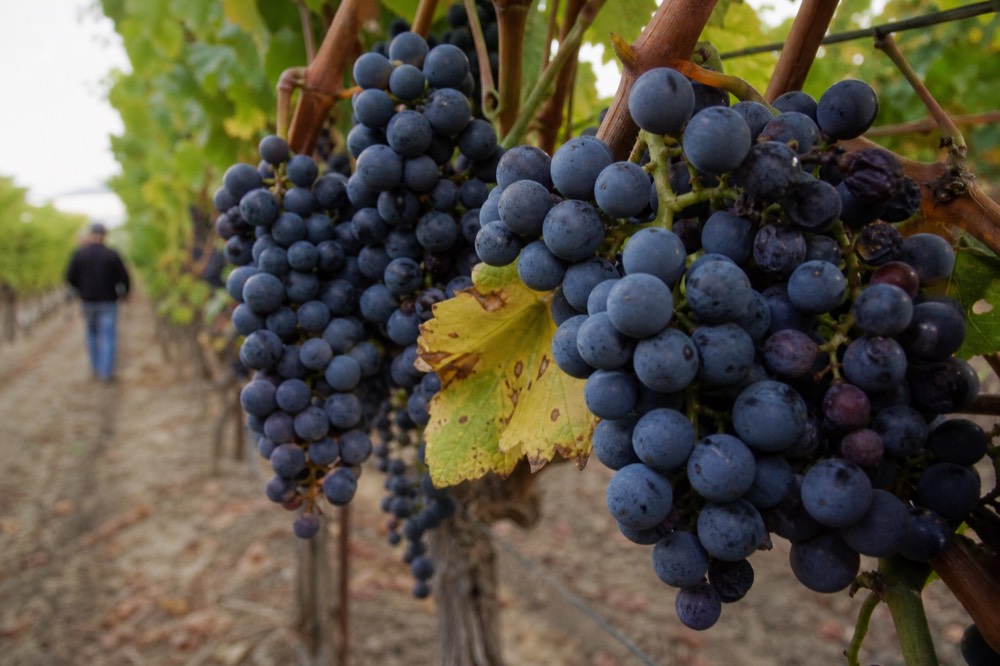
Willamette Valley is a cool-climate region whose signature grape is Pinot Noir, supported by Chardonnay, Pinot Gris and traditional-method sparkling wine, while Napa Valley's warm climate favors bigger reds, above all Cabernet Sauvignon, plus Merlot and rich Chardonnay. Cool-climate winegrowing means slower ripening, thinner skins and wines built on acidity and freshness; warm-climate winegrowing means riper fruit, bigger body and higher alcohol. Neither is better. They are simply different styles, and the honest test is which one you actually like drinking.
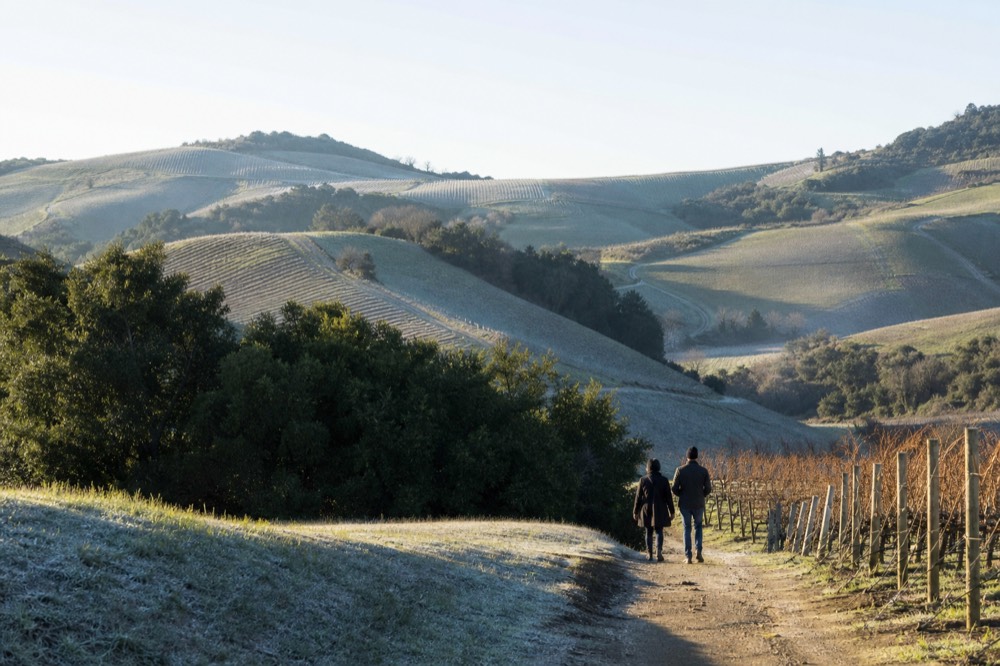
The Willamette Valley's cool, sometimes rainy growing season is the reason its Pinot Noir exists at all. Pinot Noir is a thin-skinned, early-ripening grape that struggles in heat, and Oregon's long, mild autumns let it ripen slowly instead of baking. Six federally recognized American Viticultural Areas sit inside the valley: Dundee Hills, Ribbon Ridge, Yamhill-Carlton, Chehalem Mountains, Eola-Amity Hills and McMinnville. Each has its own soil and elevation character, which is why a single day of tasting here can cover noticeably different wines within a short drive. You can dig deeper into that map in our guide to the Willamette Valley AVAs.
Napa, by contrast, built its global reputation on warm-climate Cabernet Sauvignon: dark, structured, age-worthy reds that defined what many people think "serious wine" tastes like. If your palate runs toward big, bold, oaky reds, Napa will feel like home. If you prefer lighter reds, high-acid whites and sparkling wine, the Willamette Valley is the closer fit, and its Pinot Noir has earned the region international attention for exactly that style.
How Much Does A Wine Tour Cost In Each Valley?
Published Willamette Valley guided tours on this site start from $137.75 per person for a shared group tour and run up to about $235 per person for full-day door-to-door options, with private tours ranging from roughly $318 to $2,250 per person depending on the level of service; Napa Valley tours generally cost more per person at every tier, though exact Napa prices depend on the operator and should be checked on each listing. The honest comparison uses real numbers where they exist, and the Willamette roster provides them. Napa's tour market skews toward higher-priced private experiences, so the from-prices below are the Willamette side of the ledger, verified on each tour's live listing.
| Tour | Operator | From price (per person) | Rating | What's included |
|---|---|---|---|---|
| Willamette Valley Wine Tasting Tour | Oregon Tour Experts | $137.75 | 5.0, 1 review (a new listing) | 5.5-hour Sprinter van tour; tasting fees $25-45 extra |
| Willamette Valley Wine Tour with Lunch | A Great Oregon Wine Tour | $210 | 4.9, ~530 reviews | 7.5 hours, door-to-door pickup, picnic lunch; tasting fees extra |
| Willamette Valley Tour Door to Door | Willamette Valley Tour LLC | $235 | 5.0, 5 reviews | Door-to-door pickup, lunch stop; tasting fees extra |
| Small Group Willamette Valley Wine Tour | Sea to Summit Tours & Adventures | Request a quote on the operator's booking page | 4.9, 81 reviews | 7.5 hours; tastings at 3 wineries included; non-refundable |
| Explore the Wines of Oregon's Willamette Valley | works4wine | Request a quote on the operator's booking page | 5.0, 132 reviews | 6-7 hour private tour for up to 12; tasting fees extra, often waived with purchase |
Tasting fees are the second half of the cost picture, and here the two valleys diverge sharply. In the Willamette Valley, tasting fees usually run about $25 to $60 per winery depending on the room, and many wineries waive the fee with a bottle purchase, so check with each tasting room before you go. Napa's tasting fees are widely known to be higher, frequently with appointment-only policies and fees that are less often waived, which is a general pattern travelers report rather than a hard statistic. Over a three-winery day, that difference compounds.
For a fuller cost breakdown of the Oregon side, including what a typical tasting day adds up to, see our Willamette Valley wine tasting cost guide. The short version: the Willamette Valley is the more affordable wine trip at every tier, from the shared van to the private sommelier day, and the gap at the tasting-room counter is often as large as the gap in tour prices.
If you are already leaning toward Oregon, these three tours cover the range of styles and budgets most travelers compare first:
How Big Is Each Valley, And How Far Apart Are The Wineries?
The Willamette Valley is a long, narrow growing region whose core winery cluster sits roughly an hour's drive south of Portland, with most tasting rooms concentrated in a compact area around Newberg, Dundee, McMinnville and Carlton, while Napa Valley is a similarly defined corridor but with a far denser, more developed tourism strip along its main highway. The practical difference for a visitor is scale of infrastructure, not driving time: both regions can be toured in a day from a nearby city, but the density of hotels, resort spas and celebrity-chef restaurants along Napa's main route has no true Willamette equivalent. That is a real trade-off, and it cuts both ways.
In the Willamette Valley, most guided tours pick up in Portland and drive roughly an hour south into wine country; a smaller group of tours starts right in Newberg or McMinnville for visitors already staying nearby; and one shuttle departs from Carlton. That geography means you can base yourself in either the city or the valley itself, and the drive itself is a straightforward hour on the region's main routes rather than a logistics puzzle.
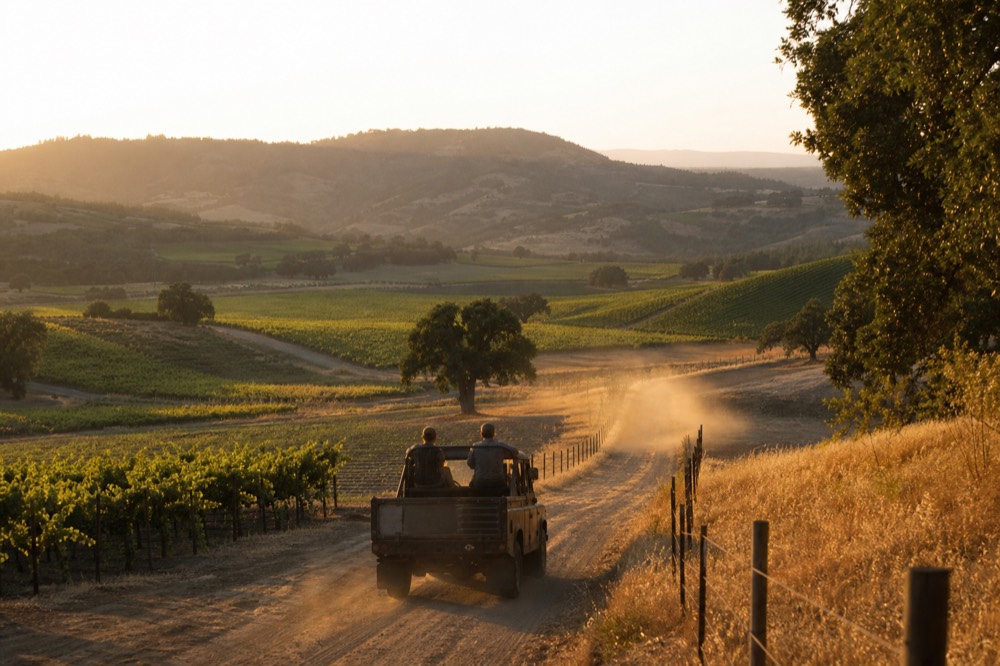
Napa's development density is its strength and its weakness. The valley floor packs hundreds of wineries, tasting rooms and high-end resorts into a short stretch, which makes logistics easy and crowds heavy, especially on summer weekends. The Willamette Valley spreads its wineries across hills and small towns, so a day here feels more like a scenic drive through farm country than a run down a wine highway. Travelers who want a polished, resort-heavy trip tend to prefer Napa; travelers who want quiet roads and small family tasting rooms tend to prefer Oregon.
What Is The Tasting-room Culture Like In Each Region?
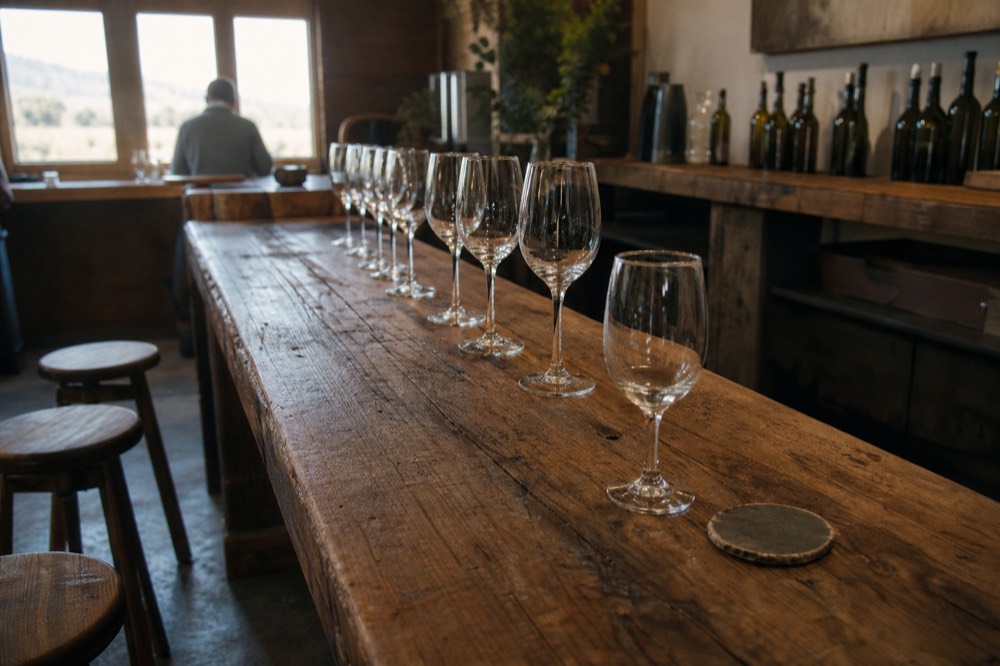
Willamette Valley tasting rooms skew small, family-run and often pourer-led, with a genuinely mixed reservation picture: many wineries welcome walk-ins while others have shifted toward appointment-only or reservation-recommended visits, so the regional association's own advice is to check each winery before visiting; Napa's culture is more uniformly appointment-driven, polished and hospitality-staffed. The Willamette Valley Wineries Association says many wineries offer walk-in tastings, but more have shifted toward appointment-only visits in recent years, and its guidance is to confirm each winery's policy individually rather than assume either way.
That mixed picture is exactly why guided tours add more value in Oregon than the price alone suggests. A good local operator knows which rooms need reservations, which ones waive tasting fees with a purchase, and how to sequence three or four stops so you are not racing between appointments. The association also recommends allowing "at least 90 minutes per tasting," which means a three-wineries day is realistically a five-to-six-hour outing once you include driving and lunch. Planning that yourself is doable; having it handled is restful.
Tasting-fee customs vary from winery to winery, and the notes here show which tours include them and which leave you paying on site.
| Tour | Tasting fees | From price | Rating on the listing |
|---|---|---|---|
| Willamette Valley Wine Tasting Tour (Half-Day) | $25 to $45, often waived with a purchase | $137.75 | 5.0 across 1 review |
| Wine Tour of Willamette Valley by Sprinter Van | Fees often waived with a bottle purchase | $145 | 4.5 across 51 reviews |
| Portland Wine Tour of Willamette Valley (Sprinter Van) | Tasting fees paid at each winery | $145 | No overall rating shown, 230 reviews |
| Willamette Valley Wine Tasting Tour from Portland | About $35 per stop, not included | $149 | 5.0 across 4 reviews |
| Willamette Valley Wine & Whisky Tour | Fees often waived with a bottle purchase | $199 | 4.3 across 5 reviews |
| Willamette Valley Full-Day Wine Tour from Portland | $35 to $60 range, not included | $205 | 4.8 across 32 reviews |
| Wine Tour of Willamette Valley with Lunch | Tasting fees paid at each winery | $210 | 4.9 across 530 reviews |
| Door-to-Door Wine Tour in Willamette Valley | Tasting fees paid at each winery | $235 | 5.0 across 5 reviews |
| Best Wines, Best Views: Private Full-Day Tour | Tasting fees paid at each winery | $318 | 5.0 across 5 reviews |
| Willamette Wine Tour from Newberg | Tasting fees included | $354.70 | 5.0 across 34 reviews |
| Custom Wine Tour from The Allison Inn and Spa | Tasting fees included | $430 | 4.5 across 10 reviews |
| Private Wine Tour of Willamette Valley from Portland | All tasting fees included | $600 | 5.0 across 12 reviews |
| Private Wine Tour with a Local Sommelier | Tastings guided by a sommelier | $2,250 | 5.0 across 3 reviews |
| Tour DeVine by Heli: Helicopter Wine Tour | Tastings included | $2,357.50 | 5.0 across 75 reviews |
Napa's tasting rooms, by contrast, are more likely to operate like booked restaurants: seated experiences, set fees, hospitality teams and limited walk-in availability, especially at the well-known estates. Some travelers love that polish. Others find it formal and prefer Oregon's model, where you may well be talking to the person whose family owns the place. Neither culture is a gimmick; they reflect two genuinely different wine economies.
Which Valley Is Better For A First-time Wine Country Trip?
For a first wine-country trip on a moderate budget, the Willamette Valley is usually the easier, cheaper entry point: tours from $137.75 per person, tasting fees typically $25-60 per winery, and a compact, walk-in-friendly-if-you-check-first culture, while Napa rewards travelers who book ahead and spend more. First-timers underestimate two things: how much logistics eat into a tasting day, and how fast fees stack up. Oregon is gentler on both counts, and the region's small scale means one well-chosen base, in McMinnville or Newberg, puts you within a short drive of dozens of tasting rooms.
The strongest first-timer play in Oregon is a guided day tour that bundles the driving, the winery selection and lunch. The most-reviewed tour on this site, A Great Oregon Wine Tour's Willamette Valley Wine Tour with Lunch, runs 7.5 hours with door-to-door pickup and a winery picnic lunch from $210 per person, rated 4.9 across roughly 530 reviews, and it is verified as often selling out. That combination of door-to-door pickup, an included lunch and a huge review base makes it the least risky first tour in the region, and the one most travelers end up comparing everything else against.
First trips deserve some flexibility, and the cancellation policies beside each tour show which plans you can still change.
| Tour | Cancellation | From price | Length |
|---|---|---|---|
| Willamette Valley Wine Tasting Tour (Half-Day) | Cancellation policy shown on the listing | $137.75 | 5.5 hours |
| Wine Tour of Willamette Valley by Sprinter Van | Free cancellation up to 24 hours before | $145 | 6 hours |
| Portland Wine Tour of Willamette Valley (Sprinter Van) | Free cancellation, policy noted on the listing | $145 | 6 hours |
| Willamette Valley Wine Tasting Tour from Portland | Free cancellation up to 24 hours before | $149 | About 7.5 hours |
| Willamette Valley Wine & Whisky Tour | Free cancellation up to 24 hours before | $199 | Not stated on the listing |
| Willamette Valley Full-Day Wine Tour from Portland | Free cancellation up to 24 hours before | $205 | Full day, back by about 5pm |
| Wine Tour of Willamette Valley with Lunch | Free cancellation up to 24 hours before | $210 | 7.5 hours |
| Door-to-Door Wine Tour in Willamette Valley | Free cancellation up to 24 hours before | $235 | Not stated on the listing |
| Small-Group Wine Tour of Willamette Valley | Non-refundable | Price on request | 7.5 hours |
| Oregon Wine Tour: Full Day with Lunch Stop | Cancellation policy shown on the listing | Price on request | 8 hours |
At the budget end, Oregon Tour Experts' 5.5-hour Sprinter van tour starts at $137.75 per person, rated 5.0 but on a single review, honestly noted: it is a new listing. It is the lowest published price on this site, and for a first trip where you want to spend on bottles rather than transport, it is a sensible way in. For where to base yourself, see our where to stay near Willamette Valley guide.
Napa is still the right first trip for one specific traveler: the person whose dream is the big Cabernet estates and who has the budget for booked, seated tastings at famous names. If that is the fantasy, no amount of Oregon charm will substitute for it. But for everyone else, first trips go further in the Willamette Valley, and many travelers who start here graduate to Napa later with a much better sense of what they like.
Can You Visit Without A Car In Each Region?
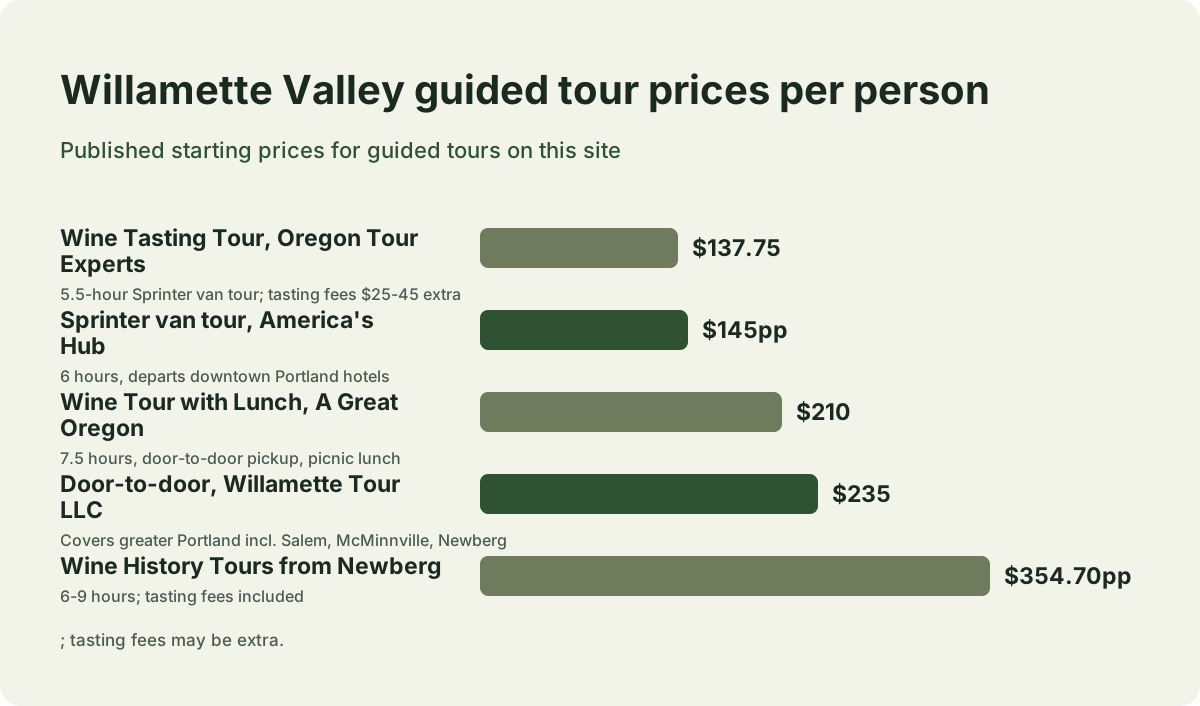
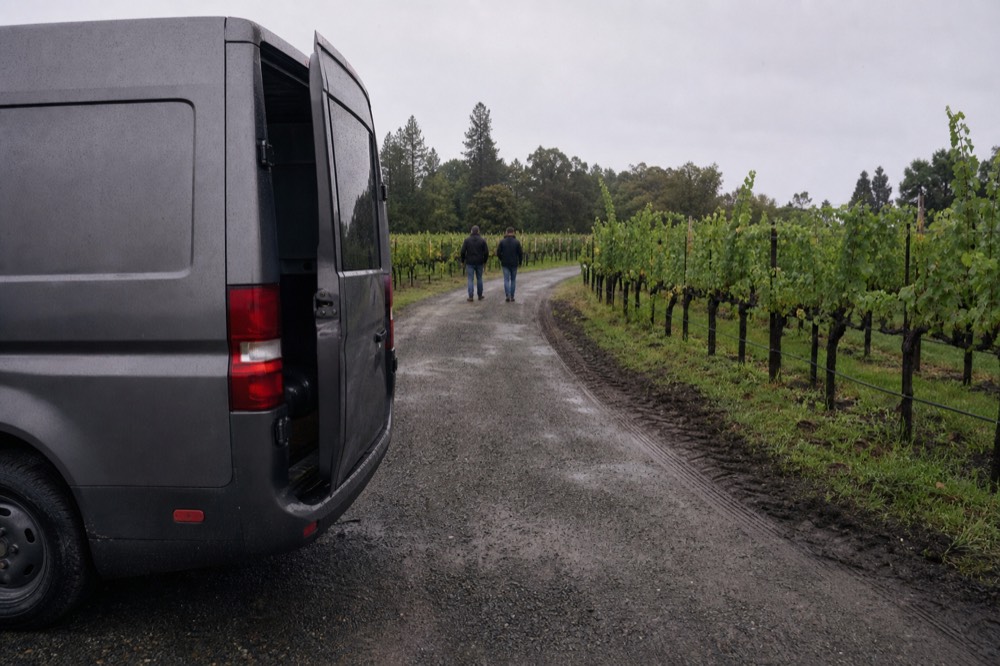
In the Willamette Valley, yes, easily: ten shared and private tours on this site pick up in downtown Portland hotels or meeting points and drive you roughly an hour south, several with tastings or lunch included, while a smaller set of tours starts in Newberg or McMinnville for valley-based visitors; Napa is also car-optional thanks to trains, shuttles and tour operators, though its options tend to cost more. The Oregon car-free case is unusually strong because the region sits an hour from a major city with a large tour roster covering it. You can fly into Portland, stay downtown, and be picked up at your hotel.
The roster's door-to-door options make this concrete. Willamette Valley Tour LLC's door-to-door tour from $235 per person covers greater Portland including Salem, McMinnville and Newberg. Sea to Summit's small-group tour meets at Pioneer Square and includes tastings at three wineries in the price, though it is non-refundable. America's Hub World Tours runs a 6-hour Mercedes-Benz Sprinter van tour from $145 per person with downtown Portland hotel pickup around 10:30am, rated 4.5 across 51 reviews.
| Car-free Willamette option | Departure point | Duration | Price basis |
|---|---|---|---|
| Door-to-door tour (Willamette Valley Tour LLC) | Greater Portland, incl. Salem, McMinnville, Newberg | Full day | From $235pp |
| Sprinter van tour (America's Hub World Tours) | Downtown Portland hotels, ~10:30am | 6 hours | From $145pp |
| Small-group tour (Sea to Summit) | Pioneer Square, Portland | 7.5 hours | Request a quote; 3 winery tastings included |
| Wine tour from Newberg (Wine History Tours) | Newberg-area hotels, B&Bs, Airbnbs | 6-9 hours | From $354.70pp; tasting fees included |
| Hop-on hop-off shuttle (NW Wine Shuttle) | Carlton, 105 W Main St | 4.5 hours | Request a quote; reservations held at 3 wineries |
For visitors already staying in wine country, the picture changes: Wine History Tours operates tours starting in McMinnville and Newberg, one of which includes all tasting fees in its price from $354.70 per person, and NW Wine Shuttle runs a hop-on hop-off shuttle from Carlton. Napa's car-free infrastructure is arguably more famous, including its wine train and extensive shuttle network, but a Napa car-free day generally costs more per stop than an Oregon one.
Which Region Should You Choose For A Special Occasion?
For honeymoons, milestone birthdays and once-a-decade splurges, Napa's resort infrastructure sets a high bar, but the Willamette Valley offers genuinely luxurious alternatives at lower price points: a sommelier-guided private tour from $2,250 per person, a helicopter wine tour from $2,357.50 per person, and a flexible private valley tour rated 5.0 across 132 reviews, all bookable without the crowds a famous-name Napa weekend draws. The splurge tier is where the two regions look most similar on paper and most different in person. Both can deliver a memorable day; only one delivers it with a helicopter over the Dundee Hills.
The Oregon splurge roster is real. Chevonne Ball's private sommelier-guided tour runs 6-9 hours from $2,250 per person, rated 5.0 across 3 reviews, with pickup anywhere in Yamhill County, lunch from a local restaurant and sommelier-guided tastings included. Tour DeVine by Heli reaches Dundee Hills wineries by helicopter from McMinnville, from $2,357.50 per person, rated 5.0 across 75 reviews, with champagne, breakfast and lunch included and tastings included; it is verified as often selling out.
Special occasions call for a private touch, and this lineup lets you match the vehicle and guide to the moment.
| Tour | Group or vehicle | Length | From price |
|---|---|---|---|
| Best Wines, Best Views: Private Full-Day Tour | Private, round-trip vehicle | 6 to 9 hours | $318 |
| Private Wine Tour of Willamette Valley from Portland | Private, custom 4x4 Mercedes-Benz Sprinter | 7.5 hours | $600 |
| Private Wine Tour with a Local Sommelier | Private, sommelier-guided | 6 to 9 hours | $2,250 |
| Explore the Wines of Oregon's Willamette Valley | Private, max 12 travelers | 6 to 7 hours | Price on request |
| Private Customized Willamette Valley Wine Maker Tour | Private, air-conditioned vehicle | 8.5 hours | Price on request |
The middle tier is where Oregon pulls clearly ahead for special occasions. Wine History Tours' Best Wines, Best Views private tour, built around scenic Dundee Hills viewpoints, starts from $318 per person, rated 5.0 across 5 reviews. And works4wine's Explore the Wines of Oregon's Willamette Valley private tour, rated 5.0 across 132 reviews, takes up to 12 travelers with flexible pickup anywhere in the valley or at hotels, with tasting fees often waived with a purchase. That last one is the related tour for this comparison because it is the region's most-reviewed private experience, and it is the natural upgrade if a shared van feels too ordinary for the day you are planning.
What About Seasons, Crowds And The Best Time To Go?
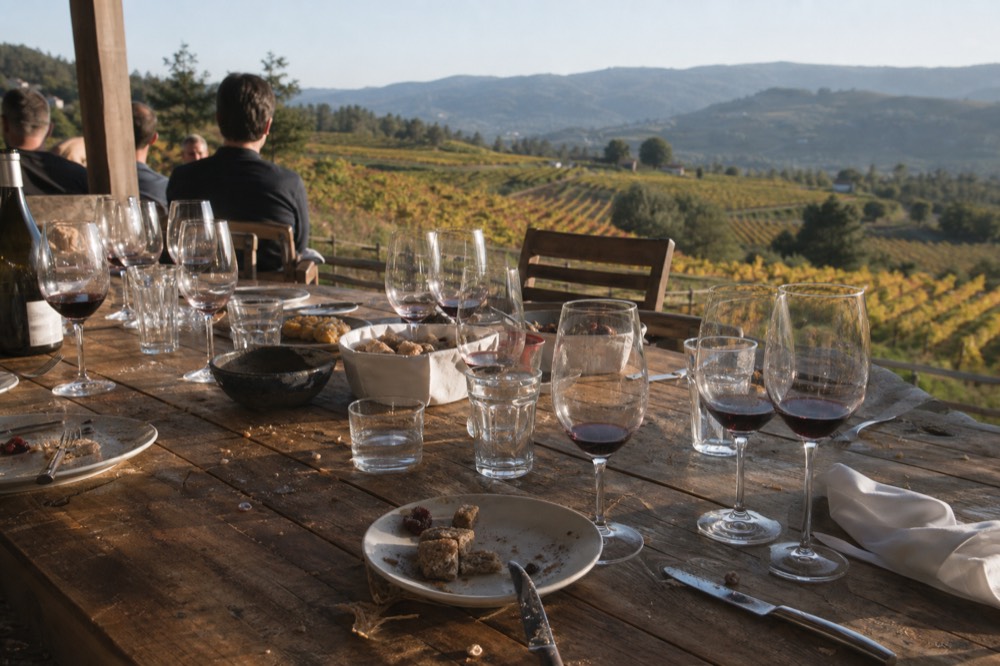
The Willamette Valley's best visiting window is roughly late spring through early fall, with harvest season in early-to-mid fall the most scenic and busiest time, while Napa shares a similar Mediterranean-style season but draws heavier peak-season crowds and higher peak prices; both valleys are quieter and greener in the shoulder seasons, and Oregon's winter tastings are cozy, uncrowded and cheaper. Neither region shuts in winter, but the experience changes: fewer open days at some tasting rooms, and a much more intimate room when you get there. Our best time to visit Willamette Valley guide covers the Oregon calendar in detail.
Crowds are the real seasonal differentiator. Napa's peak summer and harvest weekends are famously congested, with tasting appointments at well-known estates booking out far ahead. The Willamette Valley gets busy too, especially around McMinnville on event weekends, but its crowds are smaller in absolute terms because its tourism economy is smaller. A September weekday in the Dundee Hills feels like a well-kept secret; the same day in Napa can feel like a queue. If avoiding crowds matters more to you than famous names, Oregon wins the calendar question outright.
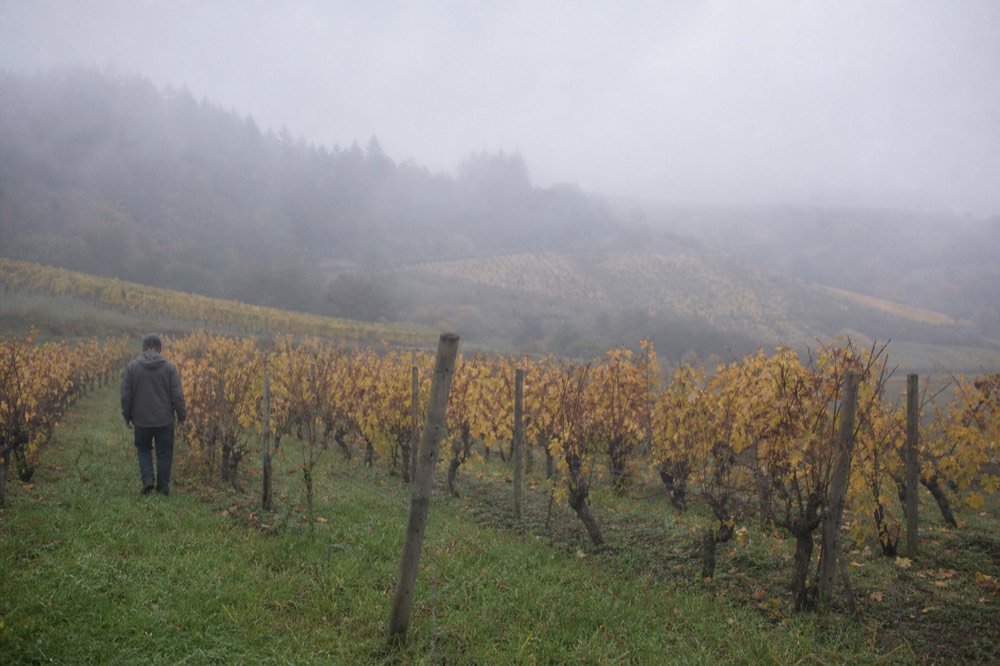
Weather is the honest counterpoint. Oregon's climate is cooler and wetter outside the summer months, and a spring or fall visit can mean mist on the vineyards rather than sunshine. Napa's drier, warmer weather makes it the safer bet for a trip built around outdoor patios and pool-afternoons. Pack for the region you pick, and plan layers for Oregon's variable shoulder-season weather if that is when your dates fall.
Willamette Valley Vs Napa Valley: The Honest Verdict
Choose the Willamette Valley if you drink Pinot Noir and sparkling wine, want lower tasting fees and smaller rooms, are basing in Portland, or want a scenic, lower-cost trip that can be booked with tours from $137.75 to $235 per person; choose Napa if big Cabernet, famous estates, resort infrastructure and warm-weather patios are the priority, and your budget is comfortably higher. The verdict is not that one valley is better. It is that they serve different travelers, and most people who ask the question already lean one way based on what is in their glass.
Here is the comparison compressed into one table, using only figures this site can stand behind: real published Oregon tour prices, real tasting-fee planning ranges, and general, well-established characterizations of Napa rather than invented statistics.
| Question | Willamette Valley | Napa Valley |
|---|---|---|
| Signature grape | Pinot Noir; Chardonnay, Pinot Gris, sparkling | Cabernet Sauvignon; Merlot, rich Chardonnay |
| Climate | Cool, longer ripening, wetter off-season | Warmer, drier, riper fruit style |
| Shared tour from-price | From $137.75pp on this site's roster | Generally higher; check each operator's listing |
| Tasting fees | Usually $25-60 per winery, often waived with purchase; check the room | Widely reported higher, less often waived |
| Reservations | Mixed: many walk-in, some appointment-only; check each winery | More uniformly appointment-driven |
| Nearest city base | Portland, roughly an hour north | San Francisco Bay Area, about 1.5-2 hours |
| AVA structure | Six AVAs inside the valley | Multiple nested AVAs along one corridor |
| Best for | Value, intimacy, Pinot lovers, first trips | Splurges, famous estates, warm-weather trips |
The AVA point deserves one last note, because it is the least obvious advantage Oregon has. Six federally recognized AVAs sit inside the Willamette Valley, and because they are packed into a compact area, you can taste across distinctly different soils and elevations in a single day without long drives. Napa offers its own nested AVA complexity, but its famous names concentrate attention on a smaller set of estates. In Oregon, the discovery is the point: the small family room you had not heard of, pouring estate Pinot from a hillside you can see from the bar. That is the experience Willamette Valley Wine Tours exists to help you plan, and it is the one Napa, for all its polish, cannot quite replicate.
Whichever valley your budget and palate point toward, these three Oregon tours are the ones travelers compare most often when the verdict lands on Willamette:
These are the questions travelers most often ask when weighing the two valleys against each other, answered with the same honest standard as the rest of this guide: real published Oregon figures where they exist, general well-established facts about Napa where they do not, and no invented statistics for either region.
Common Questions About Willamette Valley Vs Napa Valley
Is Willamette Valley cheaper than Napa Valley?
Generally yes. Willamette Valley guided tours on this site start at $137.75 per person and tasting fees usually run $25-60 per winery, often waived with a bottle purchase. Napa's tours and tasting fees are widely reported to be higher, though exact Napa prices depend on the operator and should be checked on each listing.
Which region is better for Pinot Noir?
The Willamette Valley. Its cool climate and long ripening season are built for Pinot Noir, the region's signature grape, supported by Chardonnay, Pinot Gris and traditional-method sparkling wine. Napa specializes in warm-climate reds, above all Cabernet Sauvignon.
Can you visit the Willamette Valley from Portland without a car?
Yes. Ten tours on this site pick up at downtown Portland hotels or meeting points and drive roughly an hour south, several including lunch or tastings. A smaller set of tours starts in Newberg or McMinnville for visitors already staying in wine country.
Do you need reservations for Willamette Valley wineries?
It is genuinely mixed. Many wineries offer walk-in tastings while others have shifted toward appointment-only or reservation-recommended visits, so the regional association's advice is to check each winery before visiting. Guided tours handle this planning for you.
Which valley is better for a first wine country trip?
For most first-timers, the Willamette Valley: lower costs, compact geography, smaller tasting rooms and forgiving planning. Napa suits travelers who specifically want famous Cabernet estates and have the budget for booked, seated tastings.
When is the best time to visit the Willamette Valley?
Late spring through early fall is the core season, with harvest in early-to-mid fall the most scenic and busiest window. Shoulder seasons are quieter and greener, and winter tastings are uncrowded and cheaper, though some rooms reduce their open days.